Essential Tremor
What is Essential Tremor?
Overview
Essential tremor (ET) is a common, slowly progressive neurological condition that causes rhythmic shaking—most often in both the hands, but it can also affect the head, voice, and less commonly the legs or trunk. While the tremor itself is not life-threatening, it can lead to significant disability, interfering with everyday activities like writing, dressing, eating, and drinking.
Essential tremor and Parkinson’s disease can often be misdiagnosed. The DaTscan is a diagnostic tool that distinguishes between the two.
The term “essential” refers to the idea that the “essence” of the condition is tremor. It’s another way of saying primary tremor, or tremor for its own sake, rather than tremor secondary to something else such as Parkinson’s disease or stroke.
Who is Affected?
Essential tremor is one of the most common movement disorders, affecting an estimated 7–10 million people in the United States. It can occur at any age but is most common in people over 40. About half of all cases are inherited in an autosomal dominant pattern—meaning that if one parent has the condition, there’s a 50% chance it will be passed on. ET affects men and women equally and can impact people from all ethnic backgrounds.
Essential Tremor Symptoms & Causes
Symptoms
The hallmark symptom of ET is a visible, rhythmic shaking that:
- Occurs with posture – making it difficult to hold items like a smartphone, book, or cup.
- Worsens with action – interfering with activities like writing, typing, drinking from a cup, or using utensils.
Tremor in ET usually:
- Is bilateral (affecting both sides, though one side may be more pronounced).
- May improve temporarily with small amounts of alcohol.
- Often worsens with stress, fatigue, or caffeine intake.
- Can progress over years to involve the head (“yes-yes” or “no-no” movements) or voice.
ET does not typically cause stiffness, slowness of movement, or balance issues—symptoms more suggestive of Parkinson’s disease.
Causes
The exact cause of ET is unknown, but it is believed to involve abnormal communication between certain areas of the brain, particularly the cerebellum and thalamus, which control movement coordination.
Risk factors include:
- Environmental triggers: Some research suggests neurotoxic exposure may play a role.
- Genetics: About 50% of patients have a family history of tremor.
- Age: Risk increases over age 40.
When to See a Doctor
You should seek medical evaluation if:
- Tremor starts suddenly, which may indicate another underlying cause.
- Tremor begins to interfere with daily activities.
- Tremor worsens over time.
- You develop additional neurological symptoms such as stiffness, slowness, balance problems, or speech changes.
Essential Tremor Diagnosis
Essential tremor is primarily diagnosed based on the clinical exam. Most cases of essential tremor are very easily distinguished from Parkinson’s disease through clinical evaluation alone.
However, in cases of uncertainty, DaTscan can be very helpful. This is a SPECT scan of the brain using a novel tracer, looking for areas of low dopamine (which is seen in Parkinson’s disease).
Blood tests are useful to exclude other causes of tremor such as thyroid overactivity.
Essential Tremor Treatment & Outcomes
Treatment Options
First-line medications include propranolol (a blood pressure medication), which lowers the stress response, but can cause fatigue, light-headedness because of effects on heart rate and blood pressure; and primidone (an anti-seizure medication), which can cause fatigue, dizziness, somnolence and imbalance.
Second-line treatments include benzodiazepines (e.g., clonazepam), gabapentin, and topiramate.
For disabling tremor not responsive to medication, deep brain stimulation (DBS) is a very effective treatment option. DBS is the non-permanent suppression of overactivity in a deep part of the brain, called the ventral internal medial nucleus of the thalamus (VIM). Like a pacemaker for the brain, the battery (pulse generator) is implanted under the skin of the chest, and leads (wires) are tunneled under the skin into the deep part of the brain into a quarter-sized opening into the skull. All parts are internalized. The procedure is done in two stages: The placement of the leads (the brain surgery), which is done with the patient awake (the patient feels no pain because there are no pain receptors in the brain tissue) and the placement of the pulse generator, which is done under general anesthesia. The pulse generator needs to be replaced about every 3-4 years.
is a minimally invasive technique which causes a small lesion (about 2mm, a third of a pencil eraser) in the thalamus (the tremor generator of the brain). No incisions are necessary and tremor improves on average 40-50% compared to baseline. The procedure takes about 4 hours. Effects are immediate and irreversible.
uses radiation to create a small lesion in the thalamus. The procedure takes about an hour but effects may take several weeks or months for optimal control and the effects are not adjustable or reversible.
Patient Outcomes
While essential tremor is a chronic condition, treatment can significantly reduce symptoms and improve quality of life. Many patients achieve meaningful functional improvement through a combination of medications, procedural options, and adaptive strategies. Tremor may slowly progress over time, but it does not shorten life expectancy.
Managing Essential Tremor
Many patients find benefit from adaptive tools and lifestyle adjustments:
- Weighted utensils and cups to reduce hand tremor during meals.
- Button hooks or magnetic closures for clothing.
- Speech therapy if voice tremor develops.
- Stress reduction techniques such as meditation, yoga, and regular exercise.
Avoiding known tremor triggers—such as caffeine, certain medications, and excessive stress—can also help.
Meet our Expert Specialists & Surgeons
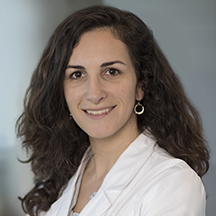
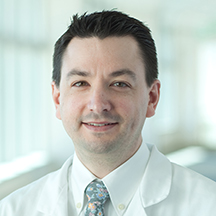

Experience Compassionate, Expert Care
At the Pacific Movement Disorders Center at Pacific Neuroscience Institute, we provide expert, personalized care for patients with tremor. Our multidisciplinary team offers advanced diagnostic tools and the latest medical and surgical treatments to help you regain control and confidence in your daily life.
Learn More About Essential Tremor
Essential tremor is not life-threatening. While symptoms may gradually worsen over time, many patients manage well with treatment and adaptive strategies, maintaining independence and quality of life.
The cause is unknown, but ET is thought to result from abnormal brain signaling in movement-control circuits. Genetics play a role in about half of all cases.
This depends on tremor severity and patient health. Medications such as propranolol and primidone are first-line. For severe tremor, procedures like DBS or focused ultrasound may be considered.
Avoid caffeine, excessive alcohol, stimulant medications, and stress when possible.
Yes. Many people live active, independent lives, especially with early diagnosis, effective treatment, and adaptive tools.
No. Essential tremor and Parkinson’s disease are separate conditions. However, a small percentage of people with ET may later develop Parkinson’s disease independently.
No specific vitamin deficiency is proven to cause ET. In rare cases, deficiencies such as low vitamin B12 can cause tremor-like symptoms, but these are not true essential tremor.
MRI-guided focused ultrasound is a newer, incision-free treatment that can significantly reduce tremor.
A movement disorders neurologist evaluates symptoms, confirms diagnosis, and develops a personalized treatment plan that may include medication, therapy, or surgical referral.
Resources
Get Expert Care from Leading Specialists
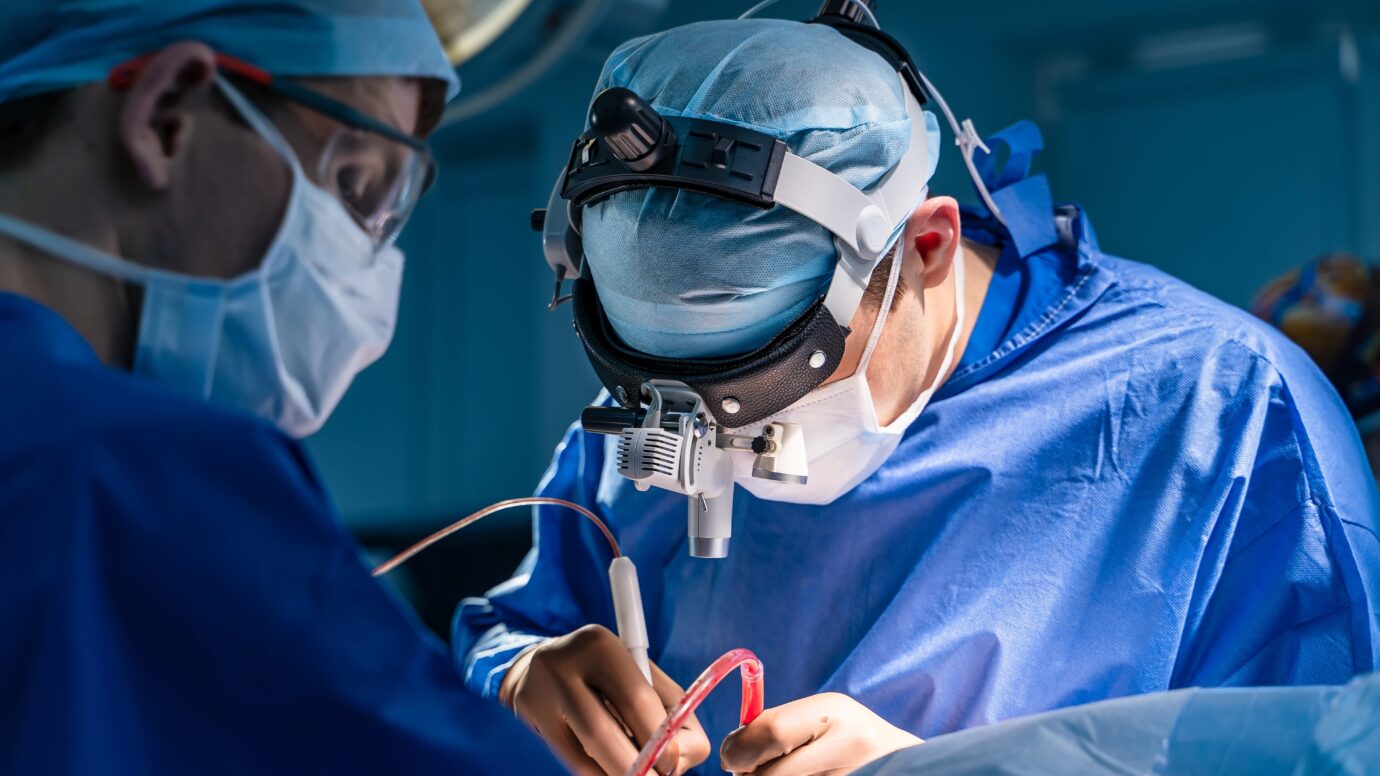
Our experts at Pacific Neuroscience Institute provide optimized medical and surgical care for patients with tremor, beginning with an accurate diagnosis. We tailor treatment plans to each patient’s needs, offering the latest therapies — from advanced medications to innovative procedures like focused ultrasound and deep brain stimulation — to help improve function and quality of life.
Written and reviewed by:
The Pacific Neuroscience medical and editorial team
We are a highly specialized team of medical professionals with extensive neurological and cranial disorder knowledge, expertise and writing experience.
Last Updated: