Care Partner FAQs

Care Partner FAQs:

Mild Cognitive Impairment (MCI) is a stage between normal age-related cognitive decline and more serious conditions like dementia. There is a noticeable decline in cognitive abilities, but the person can still carry out daily tasks on their own.

Dementia is a broad term for a decline in mental ability severe enough to interfere with daily life. Alzheimer’s disease is the most common cause of dementia.

Alzheimer’s Disease is a specific form of dementia characterized by memory loss, cognitive decline, and behavioral changes.

Early signs may include memory loss, confusion, word finding difficulties, difficulty in completing familiar tasks, and changes in mood or personality.

Diagnosis involves a combination of comprehensive medical history, physical exams, cognitive tests, and brain imaging. It often requires specialized assessments by neurologists or geriatricians.

There is currently no cure for Alzheimer’s or most forms of dementia. Treatment focuses on managing symptoms and improving the quality of life.

Not everyone with MCI develops dementia. It’s important to monitor and manage risk factors to potentially slow down its progression.

Use simple language, break complex information into small parts, be patient, and offer reassurance. Non-verbal cues can also be helpful.

Consult with an attorney to establish power of attorney and create a living will. Financial planning is crucial to ensure long-term care needs are met.

Understand triggers, maintain a structured routine, offer simple choices, and provide a safe environment. Seek care partner support and professional advice for personalized strategies.

Take regular breaks, engage in self-care, seek emotional support through personal social connections, maintain hobbies, and consider therapy or counseling.

Remove potential hazards, install safety devices, consider monitoring systems and hiring outside support.

Common symptoms include forgetfulness, personality changes, poor decision-making, agitation, aggression, hallucinations, and wandering.

Pacific Neuroscience Institute’s Lifestyle Brain & Wellness program provides resources, guidance, and support groups. Furthermore, the Alzheimer’s Association, local senior centers, and healthcare providers offer valuable information and support.

Treatment includes medications to manage symptoms, cognitive training, socialization, nutrition, and exercise, among other healthy lifestyle factors, as well as support services.

Program FAQs:

Brain Wellness & Lifestyle Program FAQs:

The Brain Wellness and Lifestyle program provides personalized consultations and a variety of activities that aim to improve brain health. The program focuses on memory, nutrition, exercise, stress reduction, and cognitive training.

Consistently practicing memory training techniques can improve short-term memory and help with everyday memory struggles.

Research indicates that embracing a lifestyle that promotes brain health, such as maintaining a nutritious diet, engaging in regular physical activity, and participating in cognitive exercises, can aid in the prevention, delay, or stabilization of cognitive decline.

Care partners are commonly advised to actively engage in sessions, acquire caregiving strategies, and offer vital support at home.

Participants and their care partners will collaborate to engage in a comprehensive brain exercise aimed at improving attention and enhancing memory and language skills. Additionally, active participation can help lower stress levels and improve overall quality of life.

If you want to begin your journey towards better brain health, you can reach out to us at 213-344-2037 or lifestyle@pacificneuro.org. We’ll provide more information about the program and help you determine which options are most suitable for your needs.

Sign up for Newsletter

Brain Wellness & Lifestyle Newsletter Signup

"*" indicates required fields

Videos

Videos for Brain Wellness & Lifestyle
Brain Wellness & Lifestyle at Pacific Neuroscience Institute: An Overview | Dr. Karen Miller
Watch Video
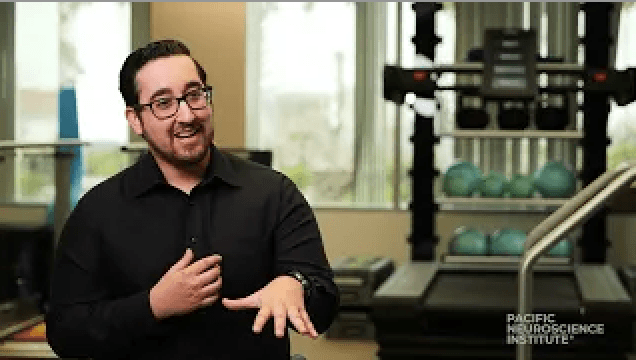
The Fitness Routine Your Brain Will Love | Ryan Glatt, MS, CPT, NBC-HWC
Watch Video
3 Brain Wellness & Lifestyle Classes at Pacific Neuroscience Institute | Karen Miller, PhD
Watch Video
Carb-Restricted Diets with Dr. Jennifer Bramen
Watch Video
Care Partner Series: Preventing Falls | Corwin Patis, PT, DPT
Watch Video
How Dual Tasking Keeps You On Your Feet | Ryan Glatt, MS, CPT, NBC-HWC
Watch Video
Brain Health Dynamic Duo | Dr. Jennifer Bramen & Dr. Karen Miller
Watch Video
Beating the Odds on Alzheimer’s Disease | Molly Rapozo, MS, RDN, CD and Judy Davidson
Watch Video
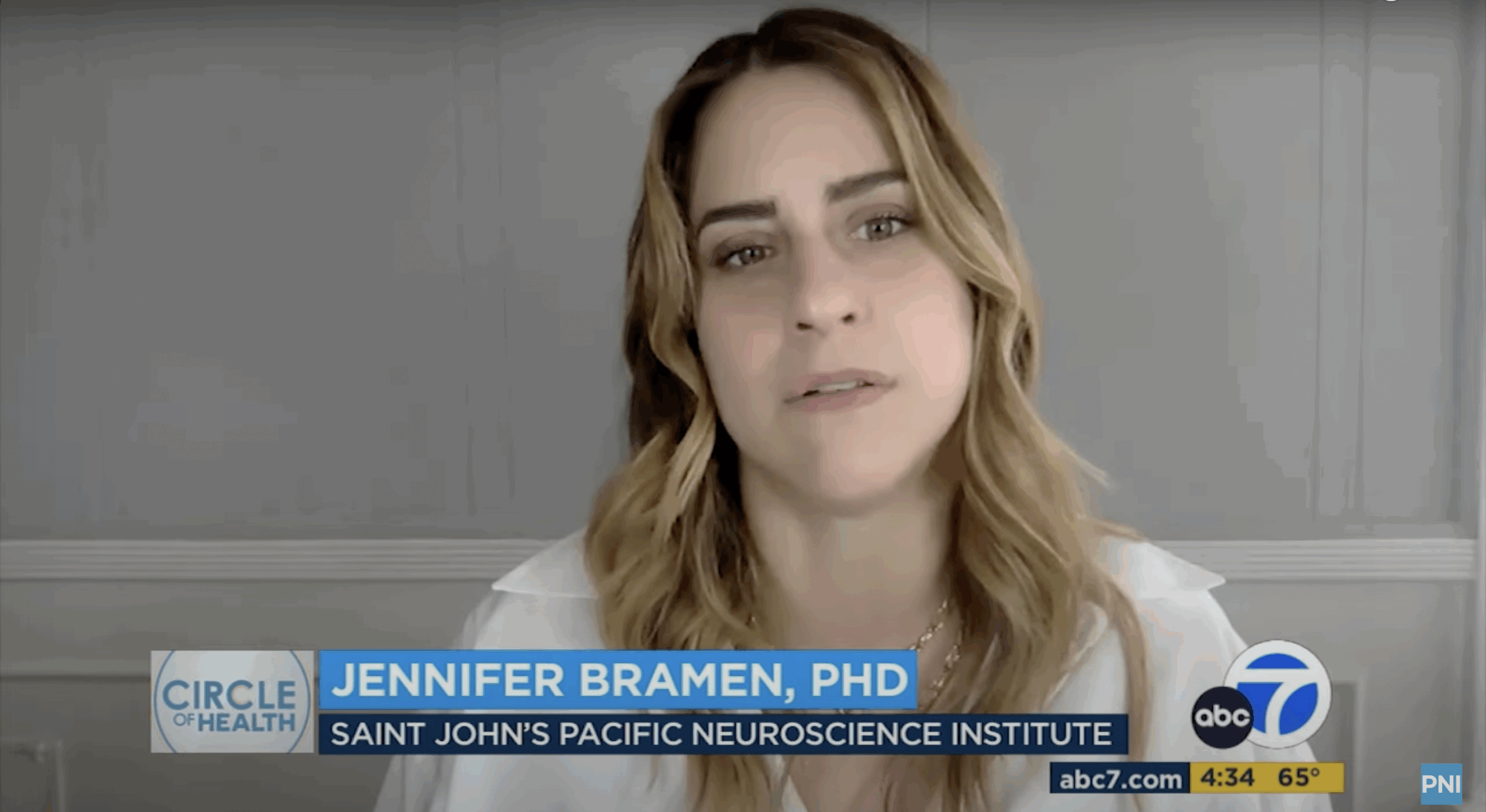
Low Carb Diet and Alzheimers | Dr. Jennifer Bramen on KABC7
Watch Video
Think Neuro Podcast: Keep Your Brain Fit with Pickleball, Ping Pong & Dance | Ryan Glatt
Watch Video

Why You Should Eat Tomatoes in September
Watch Video
The Impact of Stress on Memory with Dr. Shannel Elhelou | A PNI Minute
Watch Video
10-Minute Body Scan Meditation
Watch Video
Dual Tasking to Keep Your Brain (and Body) Fit as You Age │ Ryan Glatt, MS, CPT, NBC-HWC
Watch Video
Webinars

Webinars for Brain Wellness & Lifestyle
Stress Management & Sleep with Molly Rapozo, MS, RDN
Watch Video
Socialization & Cognitive Training with Molly Rapozo, MS, RDN
Watch Video
Exercise & Nutrition with Molly Rapozo, MS, RDN
Watch Video
Cognition Across the Lifespan with Molly Rapozo, MS, RDN
Watch Video
Dr. Karen Miller
Mental Health in Older Adults: Signs of Depression You Might Miss | With Dr. Karen Miller
Watch Video

Written and reviewed by:
The Brain Wellness & Lifestyle Program team and editorial team are a group of educational specialists with extensive brain training knowledge and writing expertise.

Last Updated: