Spasticity
What is Spasticity?
Overview
Spasticity refers to inability of the muscle to relax and can occur due to a brain or spinal cord condition such as stroke, multiple sclerosis, spinal cord compression, and spinocerebellar ataxia. This can cause a sensation of pain, heaviness, weakness, or tightness and can limit free movement of the arms or legs because of impaired relaxation.
Spasticity can also cause a gait abnormality where the legs get stuck together when walking, resulting in slower walking or even falls.
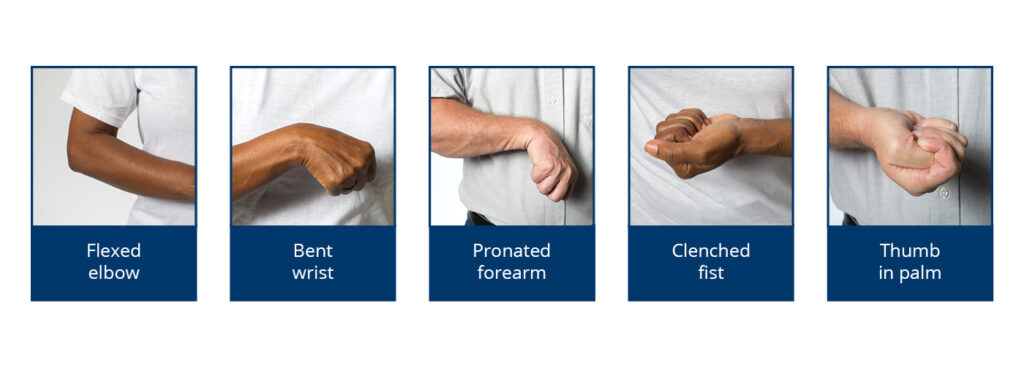
Who is Affected?
Spasticity can affect people of all ages and can develop gradually or suddenly depending on the underlying condition. It is most common in those with:
- Neurological conditions such as multiple sclerosis, stroke, cerebral palsy, or spinal cord injury,
- Brain or spinal cord injuries from trauma or surgery.
- Neurodegenerative diseases such as amyotrophic lateral sclerosis (ALS) or spinocerebellar ataxia
Spasticity Symptoms & Causes
Symptoms
Symptoms of spasticity can include:
- Muscle stiffness or tightness
- Painful spasms or involuntary muscle contractions
- Limited range of motion in arms or legs
- Difficulty walking or changes in gait
- Heaviness or weakness in affected limbs
- Increased risk of falls due to reduced mobility
Causes
Spasticity is caused by damage or dysfunction in the brain or spinal cord that interrupts normal communication between the nervous system and the muscles. Common causes include:
- Stroke
- Multiple sclerosis (MS)
- Spinal cord injury or compression
- Traumatic brain injury
- Cerebral palsy
- Neurodegenerative diseases
When to See a Doctor
You should see a doctor if you experience any of the following symptoms. Early intervention can prevent complications and improve mobility and quality of life.
- Persistent muscle stiffness or spasms that limit daily activities.
- Difficulty walking or frequent falls.
- Sudden worsening of symptoms, especially with known neurological conditions.
- New neurological symptoms such as weakness, numbness, or changes in vision.
Spasticity Diagnosis
Diagnosis typically requires the following clinical work up.
Neurological Examination
To assess muscle tone, reflexes, and movement.
Imaging Tests
(MRI or CT scans) of the brain and spinal cord.
Blood Work
To rule out other causes of muscle stiffness.
Spinal Tap
In select cases to detect central nervous system inflammation.
Spasticity Treatment & Outcomes
Treatment Options
Spasticity treatment is personalized based on severity, cause, and patient needs. We utilize EMG guidance for optimal targeting of overactive muscles. Options may include:
- Muscle relaxant medications (e.g., baclofen, tizanidine, cyclobenzaprine) to reduce muscle tone. These medications can cause sedation/somnolence.
- Botulinum toxin injections can safely and effectively relax muscles in the upper or lower limbs without causing sedation or sleepiness.
- Intrathecal baclofen therapy for severe cases.
- Physical and occupational therapy to improve mobility and prevent joint stiffness.
- Orthotic devices to support limb positioning and function.
Patient Outcomes
With proper treatment, many patients experience reduced muscle stiffness, improved mobility, and decreased pain. Early treatment helps prevent complications such as joint contractures and enhances independence in daily activities.
Managing Spasticity
Daily management tips for spasticity include:
- Regular stretching and exercise to maintain flexibility.
- Physical therapy to strengthen muscles and improve mobility.
- Adhering to medication schedules for consistent symptom control.
- Using assistive devices as recommended by your care team.
- Practicing good skin care to prevent pressure sores in immobile areas.
Meet our Expert Specialists & Surgeons

Experience Compassionate, Expert Care
At Pacific Neuroscience Institute, our team of specialists work together to provide comprehensive care for spasticity. Our mission is to help patients regain mobility, reduce pain, and maintain independence through personalized, compassionate care. We offer:
- Advanced diagnostic testing for accurate evaluation.
- Targeted treatments, including EMG‑guided botulinum toxin injections.
- Multidisciplinary rehabilitation programs to improve function and quality of life.
- State‑of‑the‑art facilities in Santa Monica and Torrance.
Learn More About Spasticity
Spasticity occurs when brain or spinal cord pathways controlling muscle movement are damaged, often from conditions like stroke, multiple sclerosis, or spinal cord injury.
Stretching, physical therapy, and lifestyle adjustments can complement medical treatment, but always consult a specialist before starting any new regimen.
It can feel like stiffness, heaviness, or painful muscle spasms that make movement difficult.
In MS, spasticity results from nerve damage in the brain and spinal cord, leading to muscle stiffness and spasms.
Spasticity may improve with treatment, but ongoing management is often needed for long-term control.
Early signs of MS can include vision changes, numbness, weakness, and balance difficulties. Spasticity may develop as the disease progresses.
Resources

Get Expert Care from Leading Specialists
If you are experiencing spasticity or related symptoms, our specialists at Pacific Neuroscience Institute can help. With advanced diagnostics and treatments, we aim to reduce stiffness, improve mobility, and enhance your quality of life.