Research
Brain Health Research
The brain is at the core of who we are, and maintaining brain health is essential for quality of life. At PNI, our brain health research focuses on prevention, early detection, and treatment of conditions such as Alzheimer’s disease, mild cognitive impairment (MCI), and dementia. By combining clinical trials with leading-edge diagnostic tools, we work to:
- Identify early biomarkers of neurodegenerative diseases.
- Explore new therapies that target disease mechanisms.
- Develop personalized care plans to help preserve memory and cognitive function.
Through research, innovation, and compassionate care, we aim to help patients and their families navigate these complex conditions while advancing future treatments.
Brain Health Research Spotlight
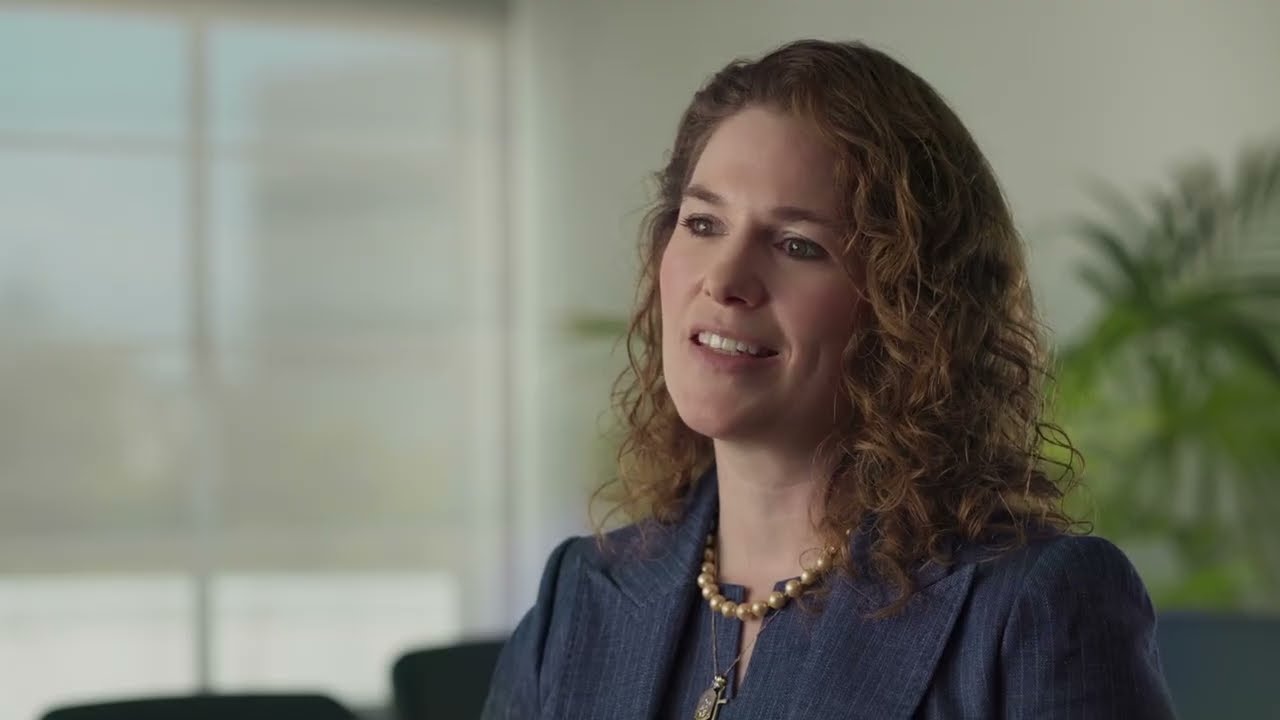
David A. Merrill, MD, PhD, is a renowned expert in integrative brain health, with a significant focus on optimizing brain aging through precision medicine. As the 2024 Singleton Endowed Chair in Integrative Brain Health and leader of the Pacific Brain Health Center at the Pacific Neuroscience Institute, he plays a crucial role in advancing neuroscience research and practice. Dr. Merrill’s dual board certification in adult and geriatric psychiatry uniquely positions him to provide comprehensive education, develop innovative treatments and devise effective solutions to mitigate the impact of neurodegenerative disorders such as Alzheimer’s and Parkinson’s disease.

Brain Tumor Research
The Challenge
Malignant brain tumors account for a significant portion of solid tumors and remain associated with high mortality and morbidity. Approximately 200,000 brain tumors are diagnosed annually in North America, of which 50,000 originate in the brain and 150,000 metastasize from other parts of the body. Brain tumors are the leading cause of cancer-related death in children.
Glioblastoma multiforme (GBM), the most common primary malignant brain tumor, claims over 12,000 lives each year in the U.S. Despite advances in surgery, radiotherapy, and chemotherapy, the median survival for GBM patients remains under two years, underscoring the urgent need for new treatments and management strategies.
Our Approach
At PNI, we combine translational research with clinical expertise to develop better therapies for patients with brain tumors, including gliomas, metastases, and rare skull base tumors. Our research priorities include:
- Discovering new biomarkers for early cancer detection and treatment response.
- Developing novel drug strategies for personalized treatments.
- Reducing treatment toxicity to improve quality of life for patients and caregivers.
Through molecular diagnostics, gene expression analysis, and clinical studies, we strive to personalize treatment for every patient. Our partnership with the Saint John’s Cancer Institute deepens these efforts, providing access to clinical trials and leading-edge care.
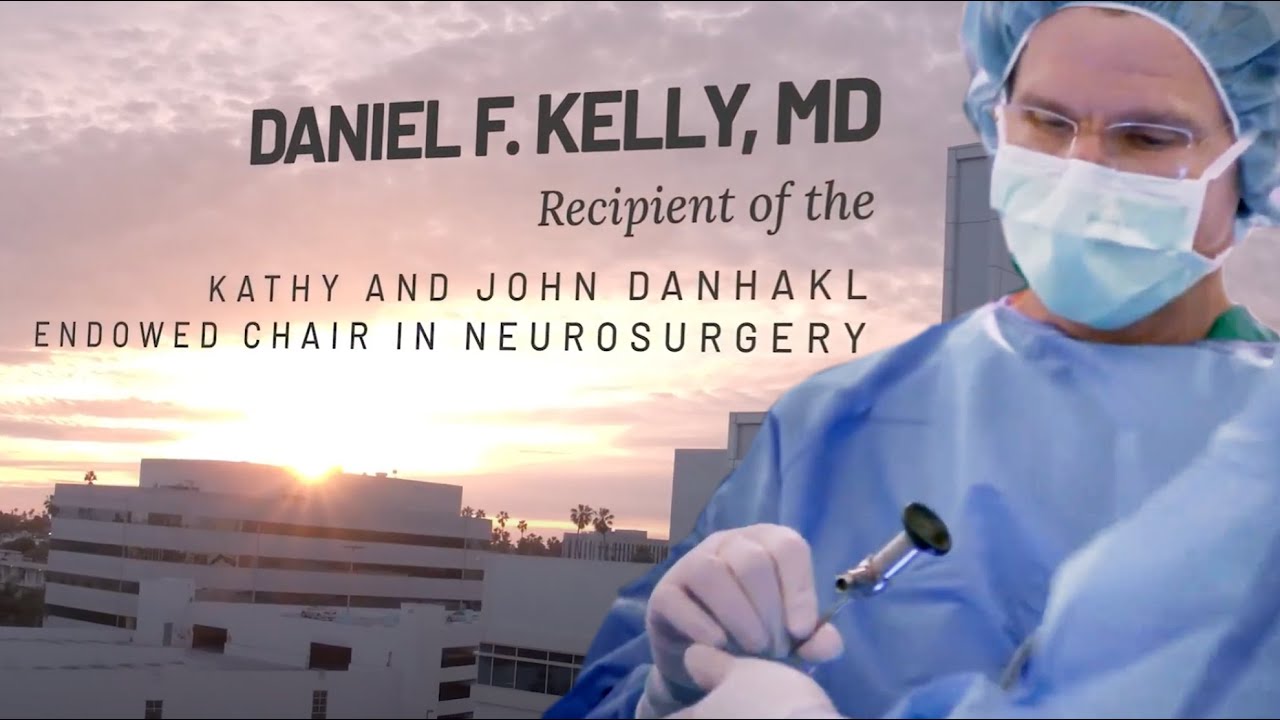
Neurosurgery Research Spotlight
Clinical Research Programs
Our neuro-oncology research includes a broad range of clinical studies designed to improve outcomes and quality of life:
Hearing Restoration Advancements