Endoscopic Third Ventriculostomy
What is Endoscopic Third Ventriculostomy for Hydrocephalus?
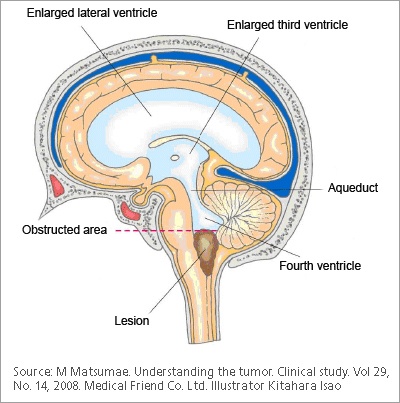
Endoscopic third ventriculostomy (ETV) is a minimally invasive neurosurgical procedure used to treat patients with obstructive (non-communicating) hydrocephalus. Hydrocephalus occurs when cerebrospinal fluid (CSF) builds up in the brain, creating increased pressure. In obstructive hydrocephalus, this happens because of a blockage preventing CSF from flowing normally.
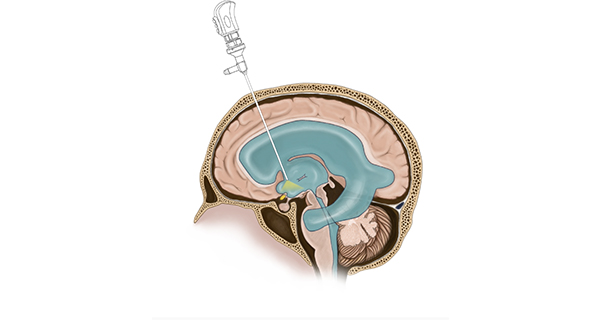
Instead of implanting a shunt system, ETV creates a small opening in the floor of the third ventricle (a fluid-filled space in the brain). This opening allows CSF to bypass the obstruction and flow freely, relieving pressure.
Benefits of ETV
- Shunt-free solution – avoids the need for a ventriculoperitoneal (VP) shunt.
- Lower risk of overdrainage complications compared to shunts.
- Durable results – many patients experience long-term relief from hydrocephalus symptoms.
- Minimally invasive approach – performed using a small endoscope with less disruption to brain tissue.
Who is a Candidate for ETV?
ETV is typically recommended for patients with:
- Obstructive hydrocephalus due to conditions such as aqueductal stenosis, brain tumors, cysts, or congenital malformations.
- Patients who are seeking an alternative to shunt placement.
- Selected cases of normal pressure hydrocephalus (NPH), though success rates vary.
Your neurosurgeon will determine candidacy based on imaging studies (MRI, CT) and overall health.
The ETV Procedure
- Minimally invasive approach: A small incision is made in the scalp and a tiny opening in the skull.
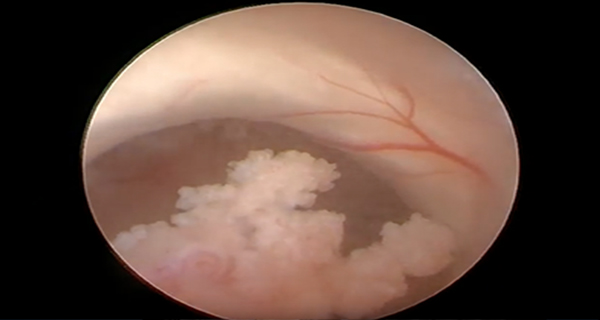
- Endoscopic guidance: A neuroendoscope (a small camera with surgical tools) is inserted into the ventricles.
- Creating the bypass: A small hole is made in the floor of the third ventricle, allowing CSF to flow around the blockage.
- No implanted hardware: Unlike shunt surgery, no permanent device remains in the body.
The procedure generally takes 1–2 hours, and patients often stay in the hospital for 1–2 nights for monitoring.
Risks and Potential Complications
While ETV is safe and well tolerated, as with any brain surgery, risks exist. These may include:
- Infection
- Bleeding within the brain
- Injury to nearby brain structures
- Failure of the opening to stay patent (in some cases, the bypass may close, requiring shunt placement later)
Your neurosurgeon will discuss these risks with you in detail before surgery.
Recovery and Outcomes
Most patients recover quickly from ETV and experience significant improvement in hydrocephalus symptoms. Follow-up imaging is used to confirm that the bypass remains open and CSF flow is restored. In many cases, ETV provides long-term relief without the need for a shunt system, improving quality of life and reducing the need for future procedures.