Pacific Movement Disorders Center
Support for the Whole Patient and Their Family
At the Pacific Movement Disorders Center, caring for the whole person is an integral part of our mission. We are committed to providing individualized and holistic patient care. Our approach is focused on safety, comfort, and improving the quality of life of our patients.
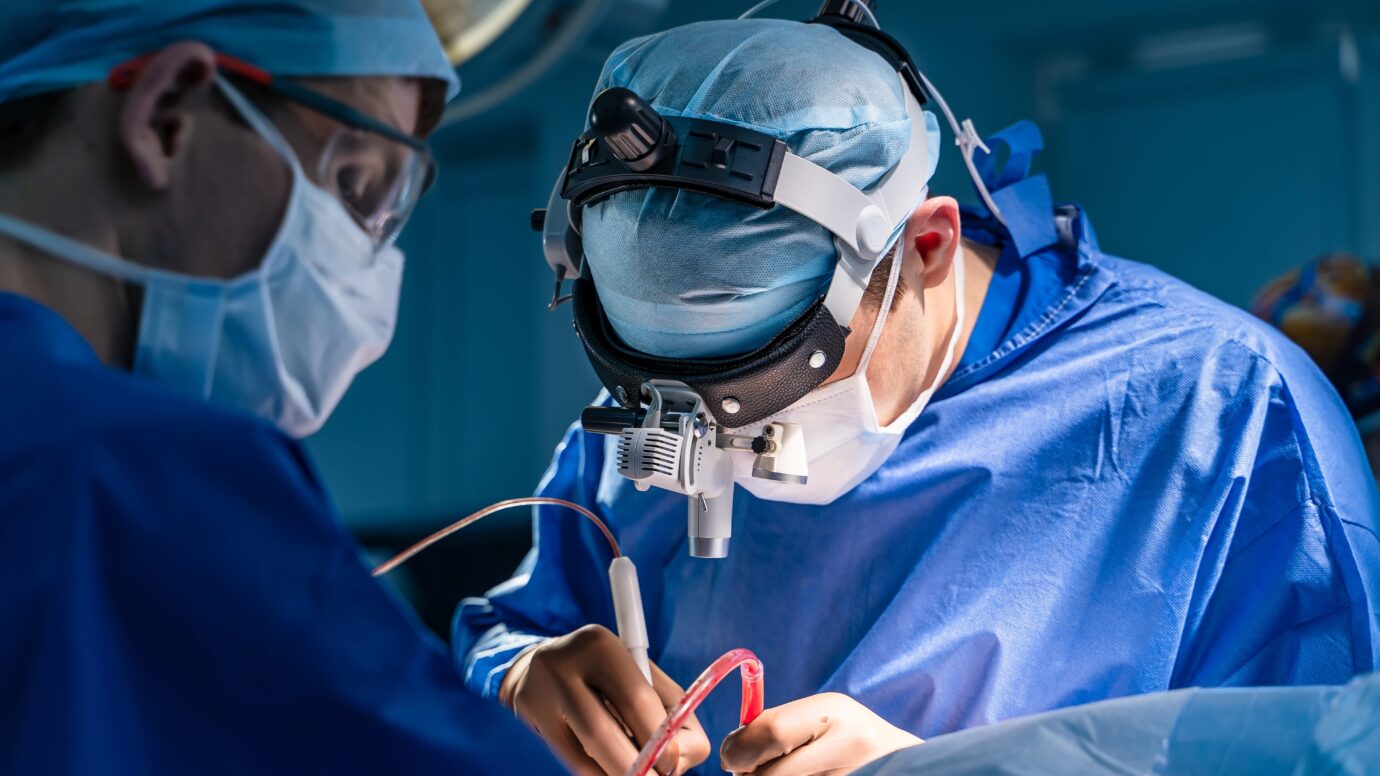
Our expert team provides highly specialized care to establish an accurate diagnosis, create personalized medical treatment plans, and deliver functional neurosurgical treatment when appropriate.
With conditions such as Parkinson’s disease (PD), essential tremor (ET), dystonia, and tics, collaboration with a movement disorders specialist is essential. Our experts understand your symptoms and provide a comprehensive approach to optimize your daily functioning. We see the bigger picture and emphasize a partnership with you and your family.
Atypical Parkinsonism (Parkinson’s Plus)
Atypical parkinsonism (also called “Parkinsonism-plus” syndromes) describes a group of neurological disorders that look like Parkinson’s disease but have additional symptoms and different progression patterns. These conditions are generally more complex to diagnose and treat than typical Parkinson’s disease.
Atypical parkinsonism can result from several conditions, including:
- Multiple System Atrophy (MSA): Parkinsonism with autonomic dysfunction (e.g., blood pressure, bladder issues) and coordination problems.
- Dementia with Lewy Bodies (DLB): Parkinsonism plus memory and cognitive changes, hallucinations, and fluctuating alertness.
- Progressive Supranuclear Palsy (PSP): Parkinsonism with eye movement problems, frequent falls, and cognitive changes.
- Corticobasal Degeneration (CBD): Rare, causing asymmetric parkinsonism, involuntary movements, and apraxia (loss of purposeful movement).
Other forms include:
- Vascular Parkinsonism: Gait and balance issues caused by multiple small strokes.
- Drug-induced Parkinsonism: Parkinson-like symptoms from certain psychiatric or anti-nausea medications (e.g., haloperidol, aripiprazole, metoclopramide). These often improve when the medication is stopped.
Our movement disorders specialists provide expert diagnosis and individualized treatment for the more complex presentations of disease in atypical parkinsonism, using advanced therapies and a compassionate, multidisciplinary approach to optimize quality of life.

Movement Disorders Treated by Our Specialists
Our movement disorder specialists diagnose and treat a wide range of movement issues.
Treatments & Procedures
Our expert team offers personalized treatment plans that focus on safety, comfort and quality for patients with movement disorders.
Medical Management
Individualized treatments reduce the symptoms of Parkinson’s disease, essential tremor, dystonia, and other movement disorders.
Botox (botulinum toxin) injections are highly effective for the treatment of dystonia.
Duopa provides continuous levodopa to improve function in patients with Parkinson’s disease.
The best form of treatment for PD is exercise. This may include participation in PD-specific exercise classes, working with a personal trainer, use of fitness videos, or independent exercise. Adjusting nutrition, such as incorporating the MIND diet, may sometimes be recommended.
Speech therapy can be helpful for slow, soft, or slurred speech in people with PD.
The Performance Therapy Center at our Providence partner hospitals provide a multidisciplinary approach to outpatient rehabilitation.
Patients with Parkinson’s disease, essential tremor, or dystonia may be candidates for deep brain stimulation (DBS) or other advanced treatment approaches. For most patients, DBS surgery can be performed using an advanced frameless approach. The system employs a custom-made mini frame that improves patients comfort during surgery, shortens procedure times, and supports faster recovery than other types of surgery. and reduces the time required for the surgery therefore optimizing recovery.
We provide non-invasive focused ultrasound stimulation therapies for essential tremor and tremor-dominant Parkinson’s disease.
State-Of-The-Art Movement Disordersrn Diagnostic Technology
Syn-One Testing
In addition, we provide Syn-One testing that detects phos-alpha-synuclein in the dermal nerves. This is a minimally invasive way to evaluate for synucleinopathies such as Parkinson’s disease, dementia with Lewy bodies, multiple system atrophy, pure autonomic failure, and REM sleep behavior disorder.
Second Opinion
Many seek a second opinion when considering the treatment option that’s best. Our customized frameless deep brain stimulation (DBS) technique allows for shorter surgery time and greater patient comfort. We also offer novel non-invasive focused ultrasound stimulation for tremor and highly effective Botox injections for dystonia, as well as clinical trial opportunities.
Meet Our Expert Movement Disorders Specialists
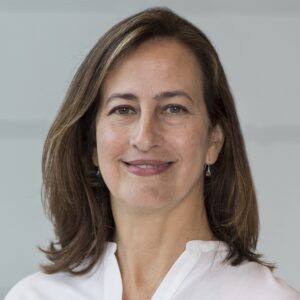
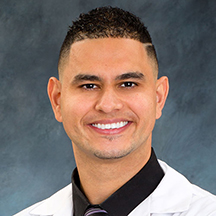
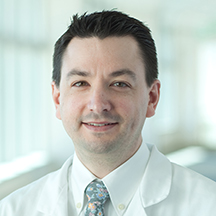
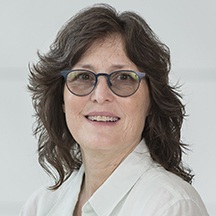
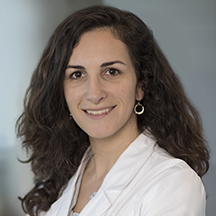
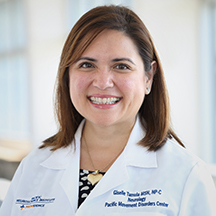
With several years of experience in the evaluation and the treatment of patients with movement disorders, our board-certified specialists ensure the highest level of care with a patient-centered approach. They offer a comprehensive, personalized recommendation for each patient, and when indicated, provide deep brain stimulation (DBS) or focused ultrasound (FUS) as the best therapeutic strategy. Our multispecialty approach includes coordination with physical, occupational, and speech therapists, as well as other providers to meet the specific needs of each patient.
Movement Disorders Clinical Trials
Clinical trials are research studies that explore newer treatment strategies for patients who are no longer responding to current treatments or who are eligible for a new therapy approach. Data collected throughout the course of a trial helps develop a deeper understanding of the disease continuum and depending upon your condition, we may recommend participation in a clinical trial.
Clinical trials differ from a doctor’s office visit where the goal is to diagnose and treat the disease with established therapies. Rather clinical trials use new therapies, current treatments used in an innovative way, or new surgical procedures. An Institutional Review Board (IRB) approval is always obtained prior to activating a study weighing the risks and benefits of a study. The IRB ensures that the clinical trial is conducted in accordance with all federal, institutional, and ethical guidelines.
Support That Goes Beyond Your Appointment
Properly managing movement disorders goes beyond medication and procedures. It must also include education and support. With informational programs, support groups, psychological care, and caregiver guidance, we’re with you at every step. Our partnership with American Parkinson Disease Association (APDA) provides structured support groups for newly diagnosed PD patients and their families.
Details regarding insurance coverage, and billing information are available at Providence.org.
Locations Serving Movement Disorder Patients

Request an Appointment
Contact Information
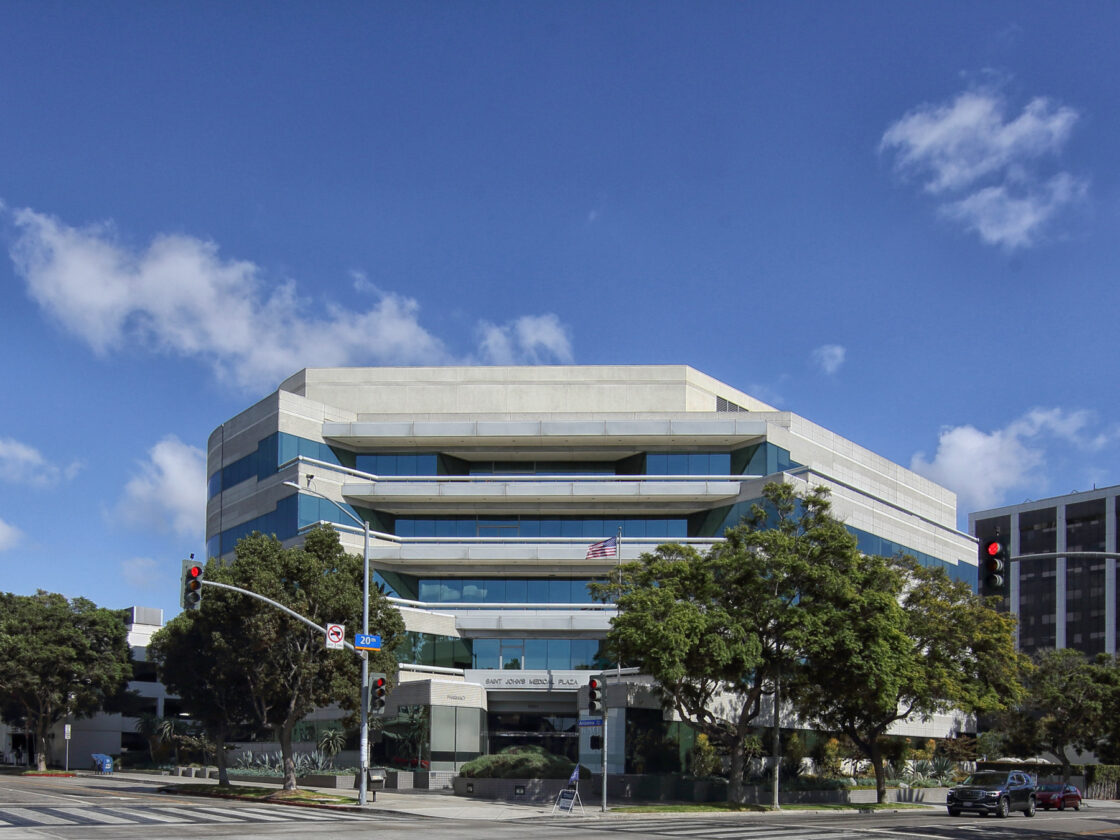
Saint John’s Plaza Medical Building
1301 20th Street #150,
Santa Monica, CA, USA
310-582-7433
Saint John’s Health Center
2121 Santa Monica Blvd,
Santa Monica, CA 90404, USA
310-829-8265
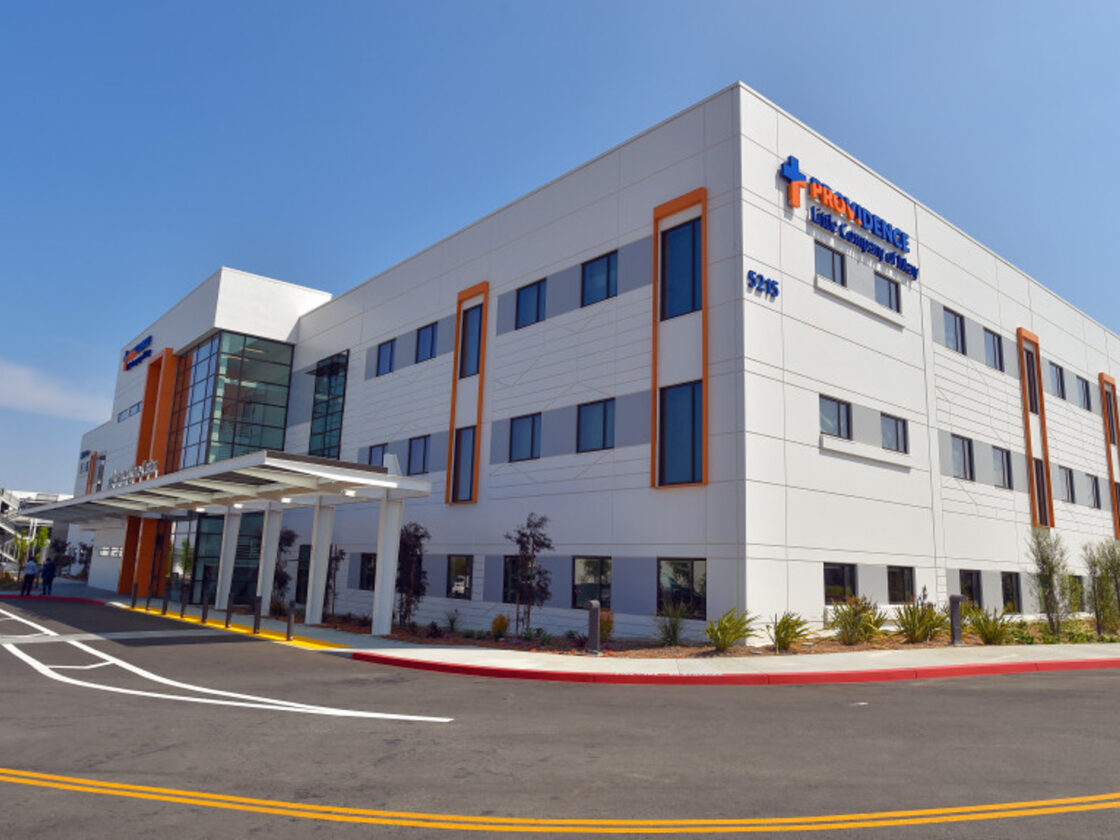
PNI-South Bay
5215 Torrance Blvd #300
Torrance, CA 90503
424-212-5361