Carotid Artery Disease

Overview

What is Carotid Artery Disease?

Overview

Carotid artery disease or carotid artery stenosis is the narrowing of the arteries in the neck caused by cholesterol deposition.

There are two carotid arteries, one on either side of the neck that transport oxygen-rich blood to the brain. Narrowing of these arteries is serious as it is a major cause of stroke.

Who is Affected?

Carotid artery disease can affect both men and women, most often in middle age or later. The risk increases with age, especially over age 60, and is higher in people with cardiovascular risk factors such as high blood pressure, diabetes, high cholesterol, or a history of smoking. It is also more common in people with a family history of stroke or vascular disease.

Symptoms + Causes

Carotid Artery Disease Symptoms & Causes

Symptoms

In its early stages, carotid artery disease often has no symptoms. It may only be detected during a routine physical exam or imaging test.

When symptoms do occur, they may indicate a transient ischemic attack (TIA) or stroke, and can include:

  • Sudden weakness, numbness, or tingling on one side of the body
  • Trouble speaking or understanding speech
  • Sudden loss of vision in one eye (amaurosis fugax)
  • Dizziness, loss of balance, or coordination problems
  • Severe headache with no known cause

A TIA is a warning sign that a full stroke could happen in the future, and it should always be treated as a medical emergency.

Causes

Many factors can lead to carotid artery disease including genetics, diet, and others. Cholesterol plaques can break off and block blood flow to the brain resulting in oxygen deprivation and causing a stroke. In addition, turbulent blood flow through a narrow artery can activate blood platelets, making them sticky. These sticky platelets can cause blood clots resulting in stroke as well.

Risk factors that lead to carotid artery disease include:

  • Age: The arteries become more rigid with age.
  • Obesity: Excess weight raises the chances of having high blood pressure and diabetes.
  • Lack of exercise: A lack of exercise can worsen risk factors such as obesity, high cholesterol, and high blood pressure.
  • Family history: Your risk is greater if another family member has carotid artery disease.
  • Diabetes: Diabetes lowers your ability to process fats. People with diabetes are four times as likely to have carotid artery disease.
  • Smoking: Smoking constricts blood vessels and lowers oxygen flow. It can lead to high cholesterol, increased heart rate, and high blood pressure.
  • High blood pressure: Excess pressure on the arteries can cause them to weaken and become more prone to damage.
  • High cholesterol: Having a high LDL and low HDL can increase fat in the blood stream.
  • Poor diet: Eating foods that are high in fat, salt or sugar can increase your risk of carotid artery disease.

When to See a Doctor

Seek medical attention immediately if you experience:

  • Sudden weakness or numbness on one side of the body
  • Trouble speaking or understanding speech
  • Sudden vision loss in one or both eyes
  • Dizziness, loss of balance, or coordination

These symptoms may signal a TIA or stroke, which requires emergency evaluation and treatment.

Diagnosis

Carotid Artery Disease Diagnosis

Several tests can detect carotid artery disease:

A healthcare professional listens to the sound in your carotid arteries. This is not a guaranteed way to detect disease.

A painless, noninvasive test in which sound waves bounce off of the arteries to check for blood flow and thickness of the arteries.

Measurement of the pulse of the arteries in the back of the eye to indirectly check for blockages in the carotid arteries.

A special dye is injected into the arteries and an X-ray of the carotid artery is taken. An invasive method like this carries some risk of stroke.

Use of magnetic field and radio waves to provide detailed pictures of the arteries. An MRA can provide more data than an X-ray, ultrasound or CT scan.

Treatment + Outcomes

Carotid Artery Disease Treatmentrn& Outcomes

Treatment Options

While you cannot change your age or genetics, you can lower your stroke risk by:

  • Quitting smoking
  • Maintaining a healthy weight
  • Exercising daily
  • Eating a heart-healthy, Mediterranean-style diet
  • Controlling diabetes and high blood pressure

Carotid artery narrowing causes blood platelets to become sticky and therefore medications that inhibit platelets (e.g. aspirin, clopidogrel) are an essential part of treating this disease. In addition, statin medications can help to lower plaque causing cholesterol.

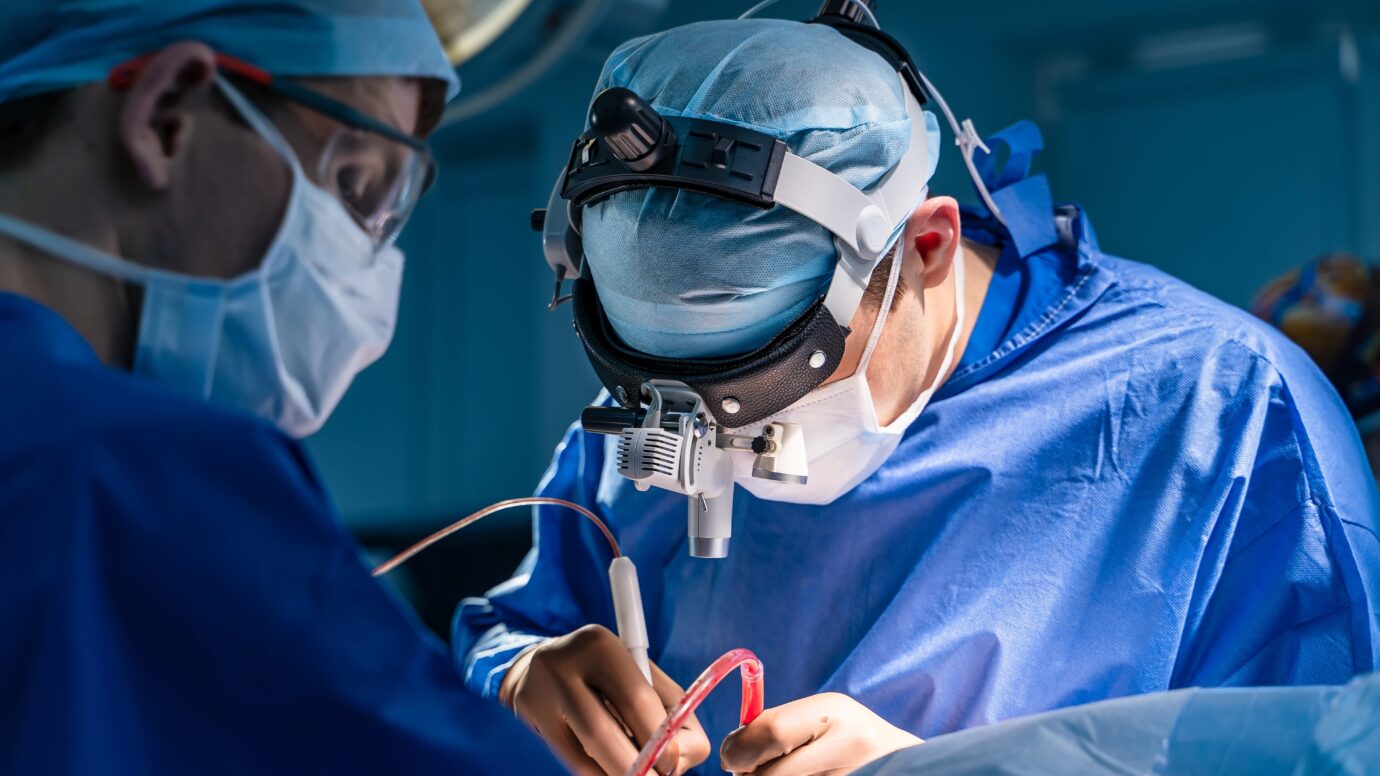
Carotid endarterectomy and carotid artery stenting are both very effective ways to prevent stroke in patients with carotid artery stenosis. Specific patient characteristics help to determine the more appropriate treatment for each individual.

  • Carotid endarterectomy: This procedure involves the surgical removal of fatty build-up from the carotid artery.
  • Carotid artery stenting: In this procedure, a wire mesh stent is placed in the carotid artery to “seal in” the cholesterol plaque and improve blood flow.

Patient Outcomes

With timely treatment, the risk of stroke can be reduced significantly. Many patients live full, active lives by controlling risk factors, following medical advice, and undergoing procedures when needed. Without treatment, severe carotid narrowing carries a high risk of stroke and long-term disability.

Managing Your Condition

Managing Carotid Artery Disease

Managing carotid artery disease is a lifelong commitment. It includes:

Medications

Taking prescribed medications regularly

Attending Follow-Ups

Attending follow-up imaging and exams to monitor artery health

Diet & Exercise

Making lasting dietary and exercise changes

Avoiding Smoking & Alcohol

Avoiding smoking and excessive alcohol use

Manage Stress

Managing stress and other cardiovascular risk factors

Care at PNI

Experience Compassionate, Expert Care

At Pacific Neuroscience Institute and our partner Providence hospitals across Southern California, our multidisciplinary team focuses on personalized treatment plans and comprehensive follow-up care to maximize patient outcomes and quality of life after diagnosis or intervention.

Our team offers advanced imaging, minimally invasive treatments, and comprehensive stroke prevention interventions. We combine expert vascular surgery with personalized lifestyle and medical management to help patients lower their risk and improve quality of life.

FAQs + Resources

Learn More About Carotid Artery Disease

With early detection and treatment, many patients avoid stroke and live a normal lifespan. Prognosis worsens if narrowing is severe and untreated.

Life expectancy depends on the severity of blockage, presence of symptoms, other medical conditions, and how well risk factors are managed.

Often there are no symptoms until a TIA or stroke occurs. Warning signs include sudden weakness, numbness, or vision changes.

Atherosclerosis—cholesterol and fatty deposits building up on artery walls—is the main cause.

In mild cases, lifestyle changes and medications may slow or stop progression, but significant blockages often require surgery or stenting.

The best treatment depends on severity and patient health—options include carotid endarterectomy, stenting, and medical therapy.

Signs include TIAs, stroke symptoms, chest pain, and leg pain during walking (peripheral artery disease).

Resources

Contact Us

Get Expert Care from Leading Specialists

If you are at risk for or have been diagnosed with carotid artery disease, early evaluation and treatment can significantly reduce your stroke risk.

Contact Us

The Pacific Stroke and Neurovascular Center’s state-of-the-art facilities are located at:

Providence Saint John’s Health Center
2125 Arizona Ave., Santa Monica, CA 90404
310-829-8319

Providence Little Company of Mary Medical Center Torrance
4201 Torrance Blvd., Suite 520, Torrance, CA 90503
424-212-5340

Providence Saint Joseph Medical Center
501 S. Buena Vista Ave., Burbank, CA 90505
818-847-6049

Providence Holy Cross Medical Center
15031 Rinaldi St, Mission Hills, CA 91345
818-847-6570