Arteriovenous Malformation

Overview

What is Arteriovenous Malformation?

Overview

An arteriovenous malformation (AVM) is a vascular mass made up of tangled blood vessels in which one or more direct connections form between arteries and veins.

Normally, arteries are strong, thick-walled tubes that carry high-pressure blood from the heart to the brain and body. Veins, on the other hand, are thinner and carry low-pressure blood back to the heart. In an AVM, blood flows directly from arteries to veins, bypassing the normal capillary system. This exposes delicate veins to high-pressure arterial blood flow, making them prone to rupture, which can lead to bleeding in the brain (hemorrhage).

These abnormal blood flow patterns may also cause weakening of nearby arteries and increase the risk of aneurysm formation.
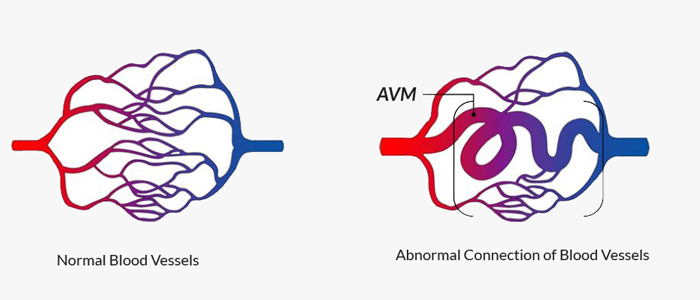
Who is Affected?

AVMs are relatively rare, affecting less than 1% of the population. They can occur anywhere in the brain or spinal cord and are often present from birth, although symptoms may not appear until later in life. Most AVMs are diagnosed in young adults between ages 20 and 40, but they can also be found in children or older adults. Men and women are affected at similar rates.

Symptoms + Causes

Arteriovenous Malformation Symptomsrn& Causes

Symptoms

Many AVMs cause no symptoms until they rupture and are often found incidentally on brain imaging done for other reasons.

If a brain AVM or an associated aneurysm ruptures, the bleeding can cause stroke, brain injury, or even death. Symptoms of a ruptured brain AVM often develop suddenly and may include:

  • Severe headache (often described as “the worst headache of my life”)
  • Nausea and vomiting
  • Sensitivity to light
  • Weakness or numbness in the face, arms, or legs
  • Confusion or difficulty speaking
  • Seizures
  • Loss of consciousness

Even without rupture, AVMs can damage the brain or spinal cord by:

  • Reducing oxygen supply to nearby tissues
  • Compressing or displacing brain or spinal cord structures
  • Causing neurological symptoms such as weakness, numbness, or vision problems

Causes

The exact cause of AVMs is not fully understood. Most are thought to be congenital, meaning they develop before birth. In rare cases, they may develop later in life. Genetic factors may play a role, but AVMs usually occur sporadically without a clear hereditary pattern.

When to See a Doctor

Seek immediate medical attention if you experience the following symptoms. Prompt evaluation can help prevent life-threatening complications.

  • Seizures with no prior history.
  • A sudden, severe headache different from any previous headache.
  • New neurological symptoms like weakness, numbness, or vision changes,
  • Sudden loss of consciousness.
Diagnosis

Arteriovenous Malformation Diagnosis

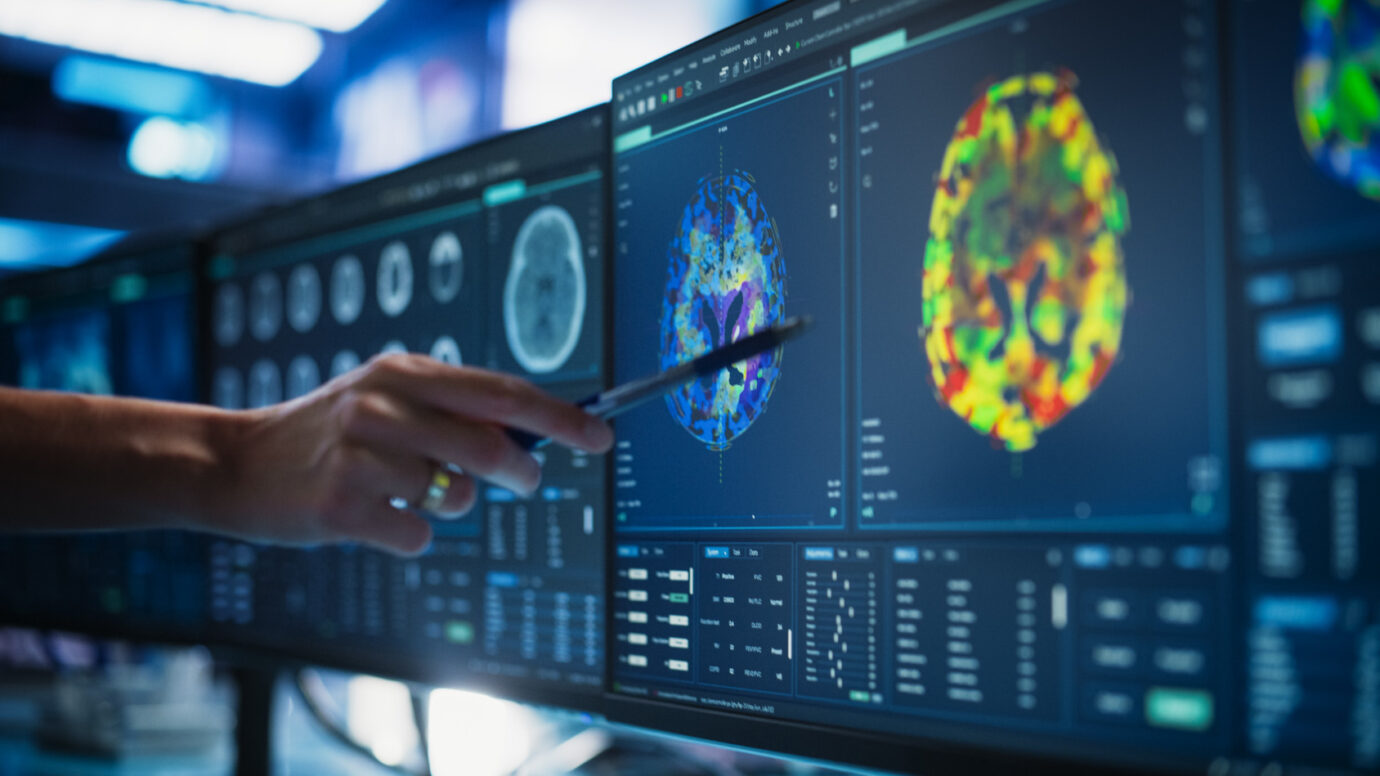
Diagnosis typically begins with brain imaging. These studies help determine the size, location, and flow characteristics of the AVM, which guide treatment planning. They include:
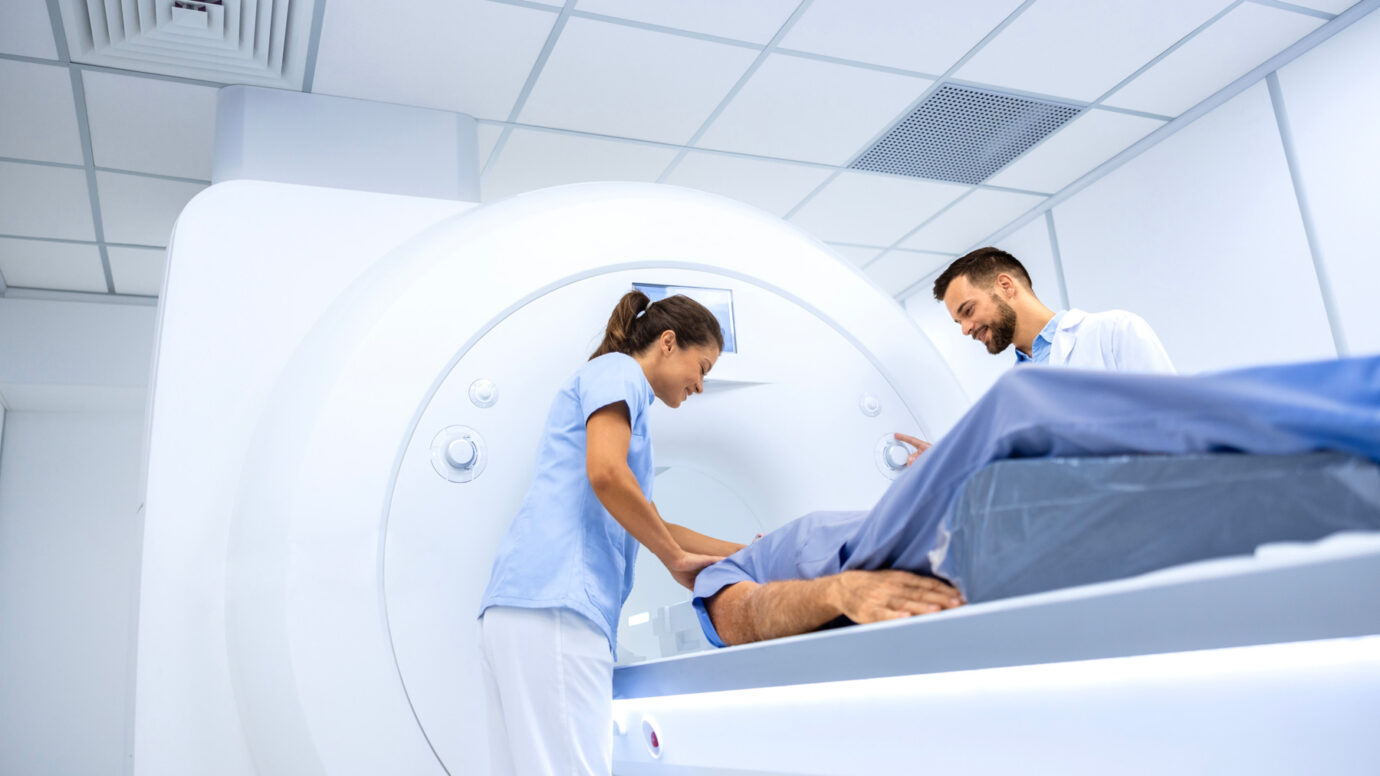
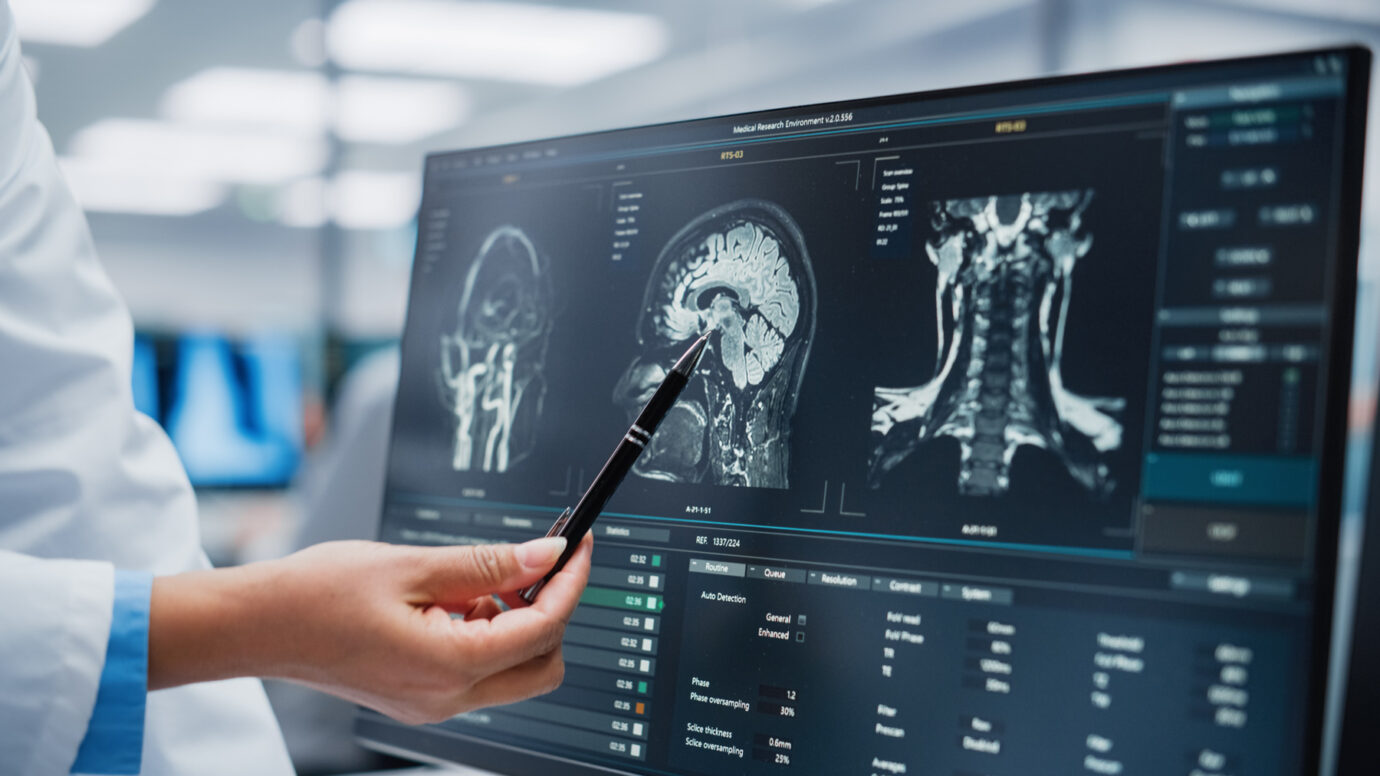
Magnetic Resonance Imaging (MRI)

Provides detailed images of the brain or spinal cord.

Computed Tomography (CT)

Often used in emergencies to detect bleeding.

Cerebral Angiography

A specialized test where dye is injected into the blood vessels to map the AVM in detail.

Treatment + Outcomes

Arteriovenous Malformation Treatmentrn& Outcomes

Treatment Options

Treatment depends on the size, location, symptoms, and overall health of the patient.Treatment decisions require careful consideration of the potential benefits versus risks, especially for AVMs in deep or critical brain areas.

Used to manage headaches, seizures, or pain related to AVMs.

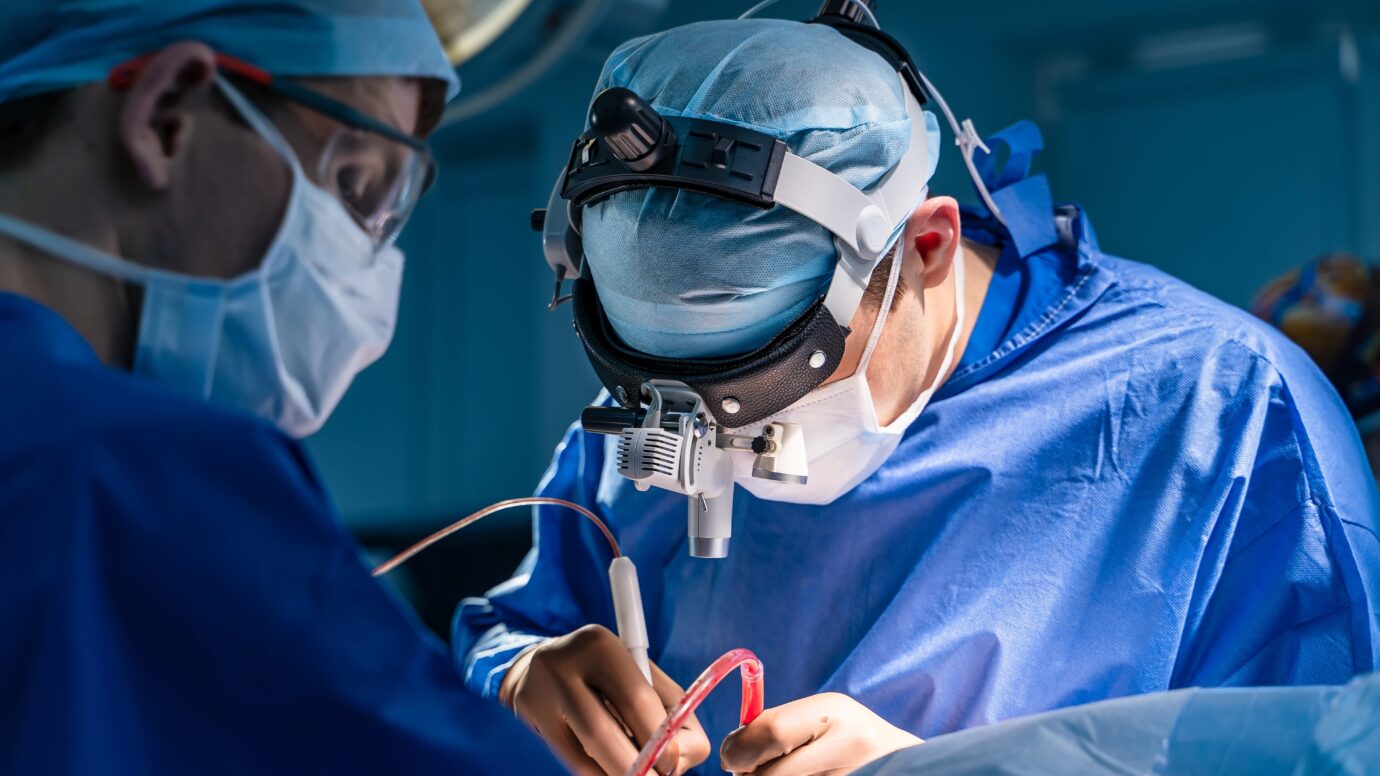
In some cases, the AVM can be completely removed, eliminating the risk of future bleeding.

A minimally invasive procedure in which a catheter is threaded through the blood vessels to the AVM and a substance is injected to block blood flow, often as a stand-alone treatment or before surgery.

A focused radiation treatment that damages the AVM blood vessels, causing them to gradually close over time.

Patient Outcomes

With appropriate treatment, many patients experience significant improvement or eliminate the risk of rupture. Outcomes depend on the size, location, and whether bleeding has occurred. Close long-term follow-up with imaging is essential to ensure the AVM is fully treated and to monitor for recurrence.

Managing Your Condition

Managing Arteriovenous Malformation

If your AVM does not require immediate treatment, we may recommend:

Regular Imaging

To monitor for changes.

Avoiding Activities

That increase blood pressure (e.g., heavy lifting, straining).

Managing Blood Pressure

Through medication and lifestyle changes.

Seizure Prevention

With prescribed medications if needed.

Healthy Lifestyle Habits

(adequate sleep, stress management, no smoking).

Care at PNI

Experience Compassionate, Expert Care

At Pacific Neuroscience Institute, our multidisciplinary team collaborates to deliver comprehensive AVM care. Our Pacific Stroke & Neurovascular Center provides advanced diagnostics and leading-edge treatments for AVMs. We combine state-of-the-art technology with personalized care, ensuring patients receive the safest and most effective treatment options.

FAQs + Resources

Learn More About Arteriovenous Malformation

The greatest potential danger posed by AVMs is hemorrhage. Most episodes of bleeding remain undetected at the time they occur because they are not severe enough to cause significant neurological damage. But massive, even fatal, bleeding episodes do occur. Whenever an AVM is detected, the individual should be carefully and consistently monitored for any signs of instability that may indicate an increased risk of hemorrhage. Individuals who are treated require brain imaging afterwards to evaluate if the AVM has been completely removed or destroyed. The risk of hemorrhage remains if some of the AVM persists despite treatment.

Yes. Many people live with AVMs under careful medical monitoring, especially if treatment risks outweigh benefits.

Options include surgery, embolization, or radiosurgery, depending on size and location.

Survival depends on rupture severity, AVM size/location, and prompt treatment.

Surgery is generally safe in experienced hands, but risks depend on AVM complexity.

Activities that raise blood pressure or increase the risk of head trauma should be avoided.

No. AVMs are tangled blood vessels, while aneurysms are bulges in a single blood vessel.

No. AVMs are vascular malformations, not tumors.

Resources

Contact Us

Get Expert Care from Leading Specialists

If you or a loved one has been diagnosed with an AVM, our team at Pacific Neuroscience Institute offers expert evaluation and advanced treatment options. By incorporating leading-edge technology and instrumentation with proven surgical experience, we make surgery safer, less invasive and more effective.