Microvascular Decompression

Overview

What is Microvascular Decompression (MVD)?

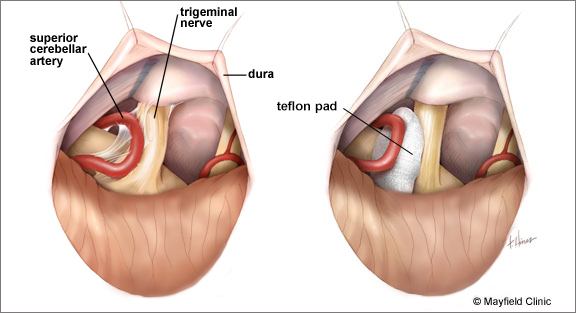
Microvascular decompression (MVD) is a minimally invasive neurosurgical procedure designed to treat facial pain disorders by addressing their root cause. In many cases, facial pain such as trigeminal neuralgiahemifacial spasm, or glossopharyngeal neuralgia is caused by an artery or vein compressing a cranial nerve. MVD surgery relieves this pressure by carefully repositioning the blood vessel (“decompression”) and placing a soft cushion (usually Teflon) between the vessel and nerve.

How it Works

How Microvascular Decompression (MVD) Works

How the Procedure Works

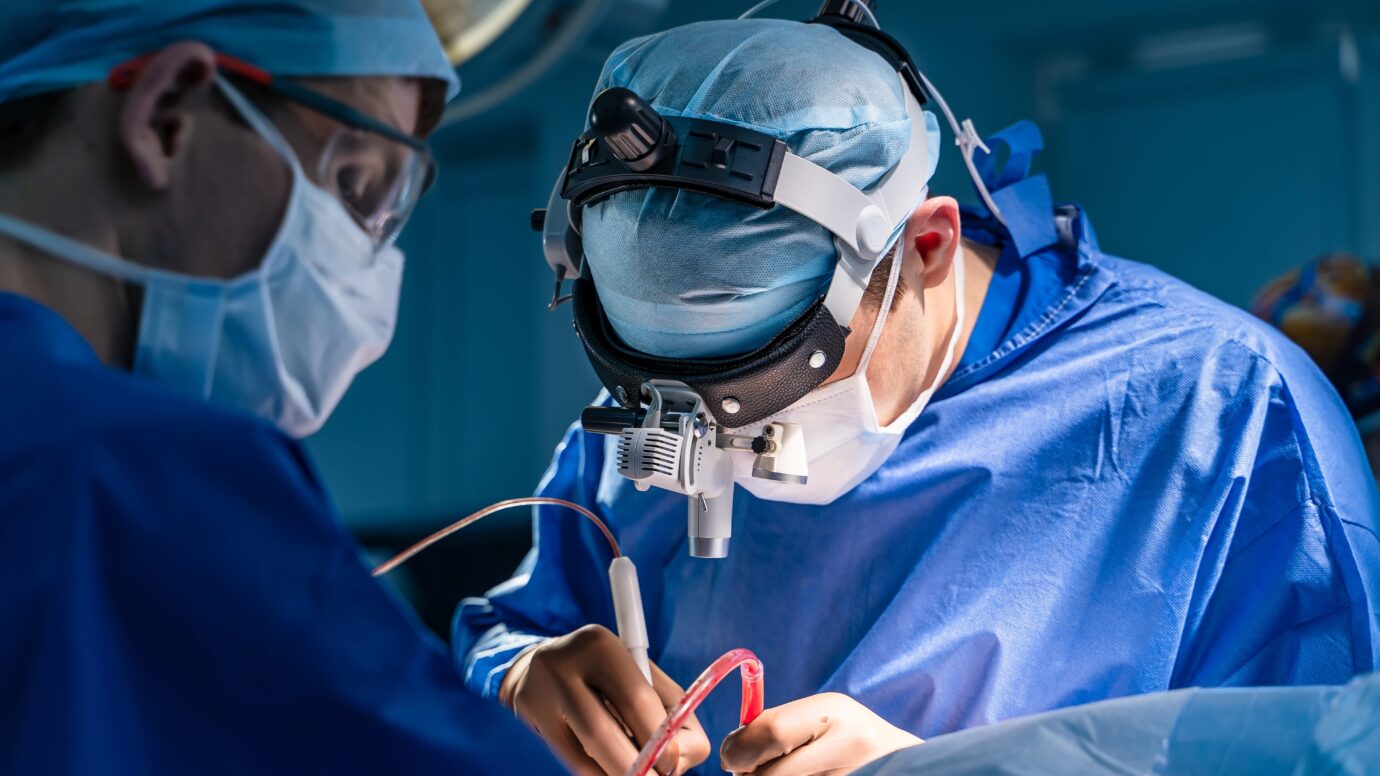
MVD is performed through a keyhole retromastoid craniotomy—a small opening made behind the ear. Using advanced high-definition visualization with a microscope or endoscope, the neurosurgeon identifies the offending vessel and places tiny pads between it and the nerve. This “decompresses” the nerve, restoring normal function and reducing or eliminating pain.

Unlike other surgical approaches, MVD avoids significant brain retraction or direct nerve manipulation, which helps preserve nerve health and minimize side effects.

Who Is a Candidate for MVD?

Microvascular decompression is typically recommended for patients who:

  • Have trigeminal neuralgia or other facial pain disorders caused by vascular compression.
  • Have not found relief with medications or less invasive treatments.
  • Are healthy enough to undergo a minimally invasive neurosurgical procedure.
Benefits

Benefits of Microvascular Decompression

  • Addresses the root cause of facial pain by eliminating nerve compression.
  • High success rate in providing long-term relief, especially for trigeminal neuralgia.
  • Preserves nerve function better than destructive treatments.
  • Minimally invasive approach with a small incision and limited recovery time.
Risks + Complications

Risks and Potential Complications

As with any surgery, MVD carries some risks. These may include:

  • Infection or bleeding
  • Cerebrospinal fluid (CSF) leak
  • Hearing changes or balance issues
  • Facial numbness or weakness (rare)
  • Risks associated with anesthesia

Our neurosurgeon will discuss the potential benefits and risks to help determine whether MVD is the best option for your condition.

What to Expect

What to Expect with Microvascular Decompression

What to Expect During Surgery

  • Duration: The surgery typically lasts about 3 hours.
  • Hospital Stay: Most patients stay in the hospital for 2 nights after the procedure.
  • Recovery: Patients usually resume normal activities within a few weeks, with many experiencing immediate or rapid relief from facial pain.

Life After Microvascular Decompression

Many patients experience long-term relief following MVD and are able to return to normal daily activities with significantly improved quality of life. Regular follow-up visits with your neurosurgeon ensure proper healing and continued symptom management.

Microvascular Decompression Surgery
The superior cerebellar artery is adherent to the trigeminal nerve causing compression and painful trigeminal neuralgia attacks.
Team

Microvascular Decompression Specialist

Resources

Microvascular Decompression Resources

Next Steps

Get Expert Care from Leading Specialists