Trigeminal Neuralgia
What is Trigeminal Neuralgia?
Overview
Trigeminal neuralgia is a chronic facial pain condition that can be difficult to diagnose and manage. In some cases, it may take years for patients to receive a correct diagnosis, as symptoms can mimic dental or other facial pain disorders. Treatment must be carefully tailored to each individual, with options ranging from medications to advanced surgical procedures.
The trigeminal nerve, also known as the fifth cranial nerve, is responsible for facial sensation and has three main branches:
- V1 – Ophthalmic branch: provides sensation to the forehead and eye region
- V2 – Maxillary branch: serves the cheek and upper jaw
- V3 – Mandibular branch: affects the lower jaw and chin
Trigeminal neuralgia occurs when this nerve is irritated or compressed, most commonly by a nearby blood vessel near the brainstem. The constant pulsation of the vessel against the nerve can lead to erratic signals, triggering sudden, severe facial pain. Other causes include multiple sclerosis, benign brain tumors, herpes virus infections, and facial trauma. The condition is often described as one of the most painful experiences a person can endure, but effective treatments are available.
Who is Affected?
Trigeminal neuralgia most commonly affects adults over the age of 50, though it can occur at any age. It is slightly more prevalent in women than in men. People with conditions like multiple sclerosis or a history of facial trauma may have an increased risk. In younger patients, trigeminal neuralgia may raise suspicion for an underlying neurological condition, such as MS. Although rare, it can occur in otherwise healthy individuals without a clear cause.
Trigeminal Neuralgia Symptoms & Causes
Symptoms
Trigeminal neuralgia is characterized by:
- Sudden, sharp, or stabbing pain on one side of the face
- Pain that may be triggered by everyday activities such as brushing teeth, chewing, talking, or even a light breeze
- Episodes lasting from a few seconds to several minutes
- Pain typically localized to one or more branches of the trigeminal nerve (eye, cheek, or jaw area)
- Periods of remission that may come and go
In more advanced or untreated cases, the pain can become more constant and burning, significantly impacting quality of life.
Causes
The most common cause of trigeminal neuralgia is neurovascular compression, where a blood vessel presses against the trigeminal nerve at the brainstem, causing nerve irritation and misfiring. Other less common causes include:
- Multiple sclerosis (MS), which can damage the protective myelin sheath around the nerve
- Benign brain tumors, such as meningiomas or vestibular schwannomas (acoustic neuromas)
- Herpes zoster (shingles) or other viral infections affecting the facial nerve
- Trauma to the face or skull
- Arteriovenous malformations (AVMs) or other structural abnormalities
In some cases, no clear cause is found—this is referred to as idiopathic trigeminal neuralgia.
When to See a Doctor
You should consult a doctor if you experience:
- Recurring, sharp facial pain that is sudden, brief, and intense
- Pain triggered by routine activities, such as brushing your teeth, eating, or talking
- Unexplained facial pain that does not respond to dental or other standard treatments
- Changes in sensation, numbness, or weakness in the face
Prompt diagnosis by a neurologist or neurosurgeon is important to rule out other causes and begin effective treatment. If you are living with facial pain that is disrupting your daily life, early evaluation can lead to significant symptom relief and improved quality of life.
Trigeminal Neuralgia Diagnosis
Diagnosing trigeminal neuralgia can be challenging because its symptoms often mimic dental or sinus issues. Many patients undergo unnecessary dental procedures before receiving the correct diagnosis, as the pain is frequently mistaken for problems with the teeth, gums, or jaw.
The hallmark symptom is sudden, severe facial pain, often described as electric shocks or stabbing sensations that come and go in bursts. This pain is commonly triggered by routine activities such as chewing, talking, brushing teeth, or exposure to cold air. For some individuals, symptoms may appear to worsen seasonally, with flare-ups more common in the fall and spring.
To confirm a diagnosis and rule out other possible causes, a thorough evaluation is needed. This typically includes:
Neurological examination
To assess facial sensation and trigger zones.
High-resolution MRI
Rule out other causes of nerve compression, such as brain tumors or multiple sclerosis.
Identify whether a blood vessel is compressing the trigeminal nerve, which is the most common cause of the condition.
Additional Imaging
In some cases, additional imaging techniques such as MR angiography may be used to better visualize the vascular structures near the nerve.
Early and accurate diagnosis is crucial to avoid unnecessary procedures and begin appropriate treatment—leading to faster pain relief and improved quality of life.
Trigeminal Neuralgia Treatment & Outcomes
Treatment Options
Treatment for trigeminal neuralgia is highly individualized and depends on the severity of symptoms, patient tolerance, and response to initial therapies. In general, treatment options fall into three main categories: medical therapy, microvascular decompression, and ablative procedures.
Medication is the first-line treatment for trigeminal neuralgia. These medications work by calming the overactive trigeminal nerve and are typically anti-seizure drugs, such as:
- Carbamazepine
- Phenytoin
- Oxcarbazepine
While often effective initially, these drugs may cause side effects like sedation, lethargy, dizziness, or cognitive slowing, and in some patients, they become less effective over time. If medications fail to control symptoms or cause intolerable side effects, more advanced treatment options may be considered.
Microvascular decompression is a surgical procedure that aims to correct the underlying cause of trigeminal neuralgia—a blood vessel pressing against the nerve. During MVD, the surgeon carefully moves the offending artery or vein away from the nerve and places a small pad or cushion to prevent future contact.
This technique addresses the root of the problem without damaging the nerve, offering the potential for long-term relief and preserving facial sensation. MVD is typically recommended for patients who are healthy enough for surgery and have not responded well to medications.
Ablative procedures are designed to disrupt or destroy part of the trigeminal nerve to reduce pain signals. These may include:
- Radiofrequency rhizotomy
- Glycerol injection
- Balloon compression
- Stereotactic radiosurgery (Gamma Knife)
While these options can provide temporary relief, they carry a higher risk of facial numbness and may limit future treatment options, including definitive surgery. In our experience, ablative procedures are often less effective long-term and are typically reserved as a last resort when other therapies have failed or are not viable.
Patient Outcomes
Patient outcomes for trigeminal neuralgia vary depending on the cause, treatment approach, and individual response. Many patients experience significant relief with medical therapy, especially in the early stages. However, if medications become ineffective or intolerable, surgical options like microvascular decompression (MVD) can offer long-term, and in some cases, permanent relief by addressing the root cause of the condition.
MVD has some of the highest success rates among available treatments, with many patients reporting substantial or complete resolution of pain. While all procedures carry some risks, careful evaluation and experienced surgical care improve the likelihood of a positive outcome.
Patients who undergo ablative therapies may also experience temporary relief, though the likelihood of recurrence is higher, and the risk of facial numbness is more significant. Long-term success often depends on timely diagnosis, appropriate treatment selection, and close follow-up.
Managing Trigeminal Neuralgia
Trigeminal neuralgia is a chronic condition, and effective management often requires a multidisciplinary approach. While microvascular decompression (MVD) surgery can offer long-term, and in many cases, permanent relief, in other patients ongoing care is important to adjust medications, monitor side effects, and determine when to consider other treatment options.
Key tips for managing your condition include:
- Regular follow-up with your neurologist or neurosurgeon to track symptoms and treatment response
- Medication adherence, while monitoring for side effects such as drowsiness or cognitive changes
- Avoiding known triggers, such as cold air, strong winds, or certain facial movements
- Maintaining oral health, but being cautious with unnecessary dental procedures, which are often pursued due to misdiagnosis
- Tracking symptom patterns, such as seasonal flares or new triggers, to inform treatment adjustments
- Seeking timely specialist care if pain returns or worsens
With proper treatment and support, many patients are able to achieve meaningful, long-term relief and return to a high quality of life.
Meet our Expert Specialists & Surgeons








Experience Compassionate, Expert Care
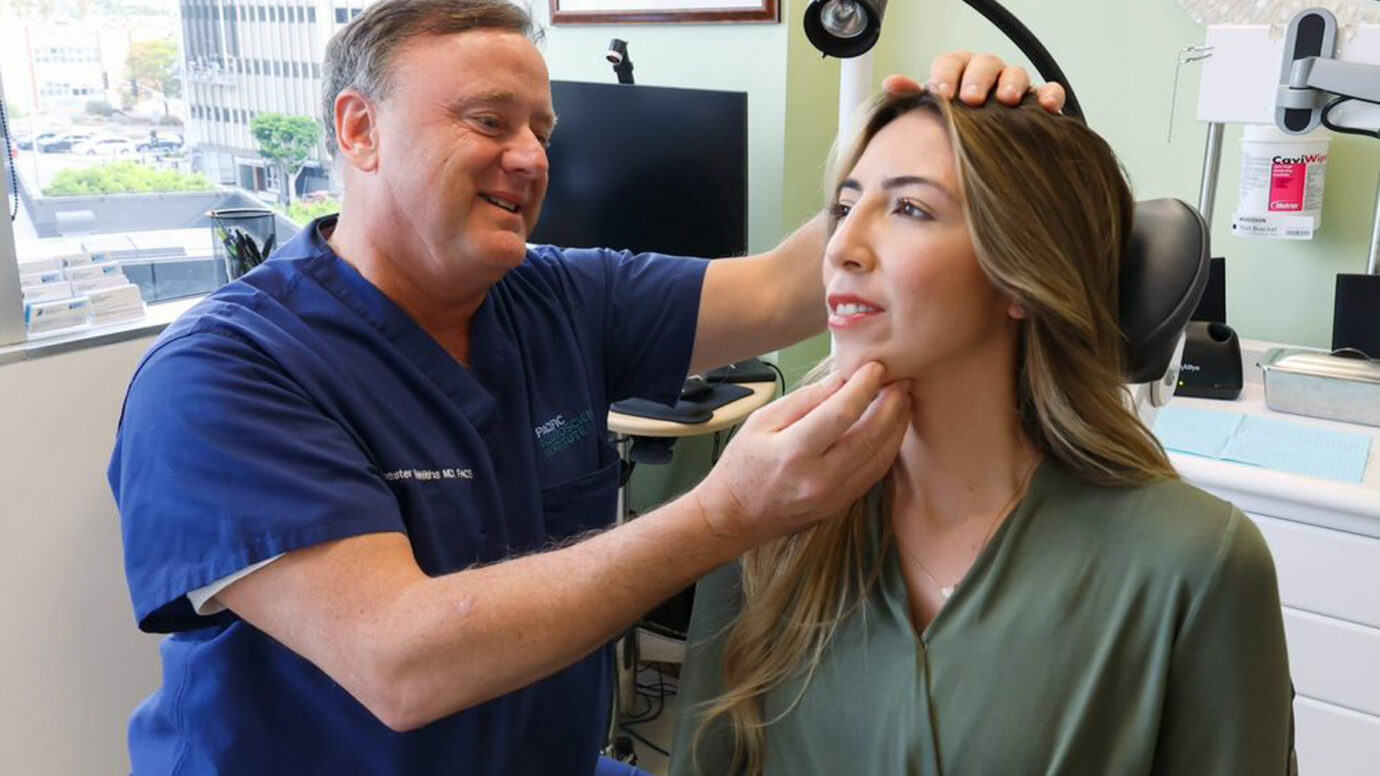
Through a multidisciplinary approach of medical therapy, ablative treatment, stereotactic radiosurgery and minimally invasive endoscopic neurosurgery, we care for each patient with a treatment plan tailored to their condition. At the Pacific Facial Disorders Center, our team works together to provide comprehensive diagnosis and definitive treatment options for trigeminal neuralgia and other facial pain syndromes.
Learn More About Trigeminal Neuralgia
Trigeminal neuralgia is often described as sudden, electric shock-like pain on one side of the face. It can affect the forehead, cheek, or jaw, depending on which branch of the trigeminal nerve is involved. The pain may last for seconds to minutes and can be triggered by simple activities like eating, brushing your teeth, talking, or even a light breeze.
Initial treatment usually involves medications that calm the nerve, such as anti-seizure drugs like carbamazepine or oxcarbazepine. If medications are not effective or cause significant side effects, surgical options like microvascular decompression may be recommended. In some cases, procedures that disrupt part of the nerve (ablative therapies) may be considered as a last resort.
The prognosis varies from person to person. Some patients respond well to medications and manage their condition long-term without surgery. Others may require surgical treatment to achieve lasting relief. Procedures like microvascular decompression offer the potential for long-term or even permanent pain resolution in many patients. While trigeminal neuralgia can be a chronic condition, early diagnosis and tailored treatment significantly improve outcomes and quality of life.
Resources
Get Expert Care from Leading Specialists
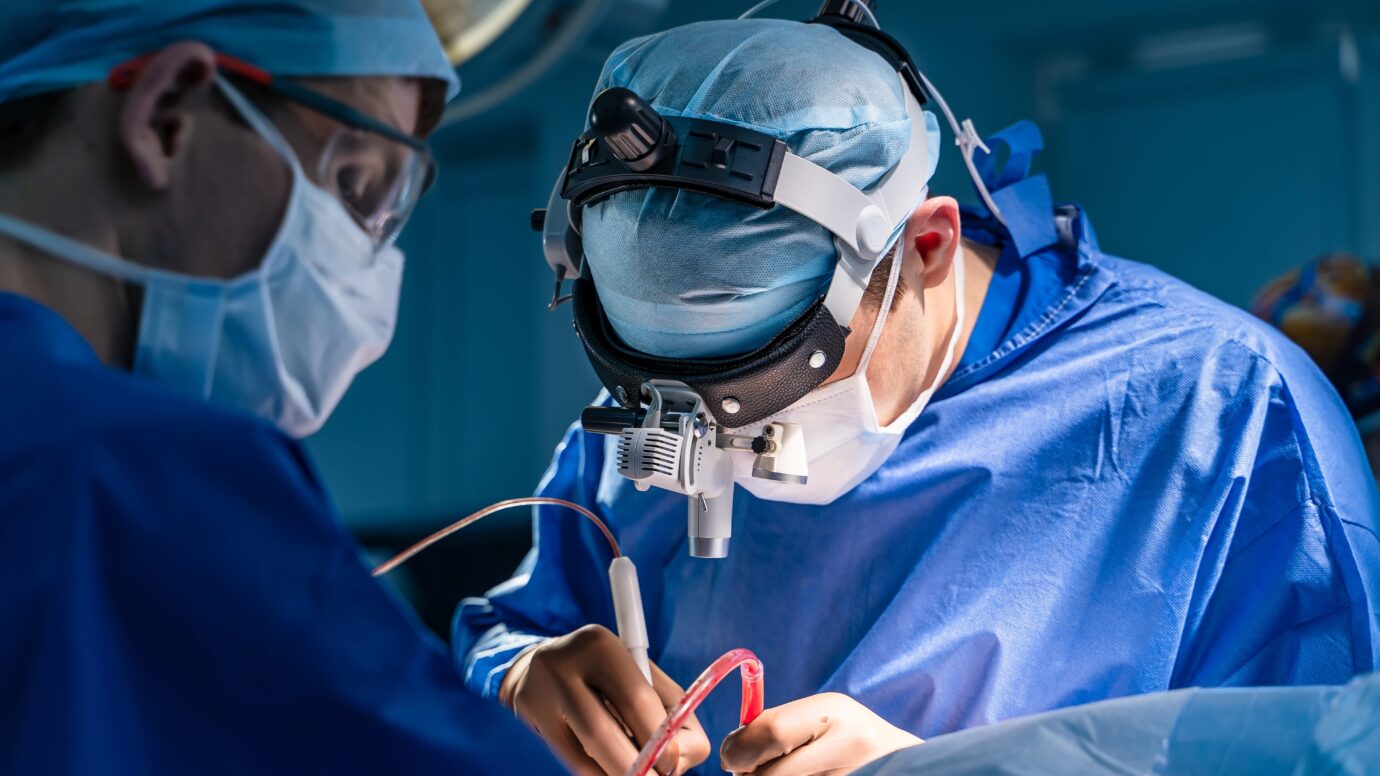
At Pacific Neuroscience Institute® (PNI), we provide expert care for trigeminal neuralgia using advanced minimally invasive neurosurgery, medications, and ablative therapy. Whether you need a second opinion, a treatment plan, or ongoing care, our team of top neurosurgeons and facial disorders specialists is here to help.